


Can anxiety disorder cause physical weakness?
Nov 17, 2025
Source: Cainiu Health

Dr. Zhang Baohua
Introduction
Anxiety disorder can lead to physical weakness. Prolonged anxiety causes neurological dysfunction, sleep disturbances, and metabolic abnormalities, which continuously deplete the body's energy, resulting in symptoms such as fatigue, exhaustion, and reduced physical stamina—signs of physical decline that affect daily functioning. If symptoms persist for more than two weeks and do not improve, prompt medical consultation is recommended. The development of anxiety disorders is related to genetic factors.
Anxiety disorders can lead to physical weakness. Prolonged anxiety causes nervous system dysfunction, sleep disturbances, and metabolic abnormalities, continuously depleting the body's energy and resulting in symptoms such as fatigue, tiredness, and reduced physical stamina, significantly affecting daily life. If symptoms persist for more than two weeks without improvement, prompt medical consultation is recommended.
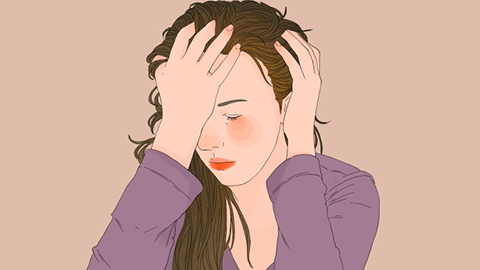
The development of anxiety disorders is associated with genetic factors, neurotransmitter imbalances, and psychological stress. In addition to psychological symptoms like persistent worry and tension, patients may also experience autonomic nervous system dysregulation, including palpitations, excessive sweating, and insomnia. Chronic sleep deprivation and a state of constant hyperarousal accelerate energy expenditure. Furthermore, anxiety can impair appetite and digestive function, leading to inadequate nutrient absorption and worsening physical weakness.
Effective treatment requires a comprehensive approach. Psychotherapies such as cognitive-behavioral therapy (CBT) help patients adjust negative thought patterns and reduce anxiety. When necessary, anti-anxiety medications prescribed by a doctor can help regulate neurotransmitters, improve sleep, and alleviate physical symptoms, thereby reducing the body’s excessive energy consumption at its root.
Maintaining a regular sleep schedule, ensuring adequate rest, eating a balanced diet rich in nutrients, engaging in mild physical activities such as walking, avoiding overexertion, and practicing relaxation techniques like deep breathing can help regulate emotions, reduce the frequency of anxiety episodes, and alleviate physical weakness.





