What are the 6 main types of sleep disorders?
Nov 17, 2025
Source: Cainiu Health

Dr. Zhang Baohua
Introduction
There is no such thing as "six main types of sleep disorders." Types of sleep disorders include insomnia, hypersomnia, sleep apnea syndrome, circadian rhythm sleep-wake disorders, sleep-related movement disorders, and others. Different types present with distinct symptoms and require targeted interventions. If sleep problems persist for more than three months and affect daily life, it is recommended to seek medical attention promptly.
There is no established concept of "six main types of sleep disorders." Types of sleep disorders include insomnia, hypersomnia, sleep apnea syndrome, circadian rhythm sleep-wake disorders, sleep-related movement disorders, and others. Each type presents different symptoms and requires targeted interventions. If sleep problems persist for more than three months and affect daily life, prompt medical evaluation is recommended.
1. Insomnia: The most common type, characterized by difficulty falling asleep, maintaining sleep, or early morning awakening. It occurs at least three times per week and is accompanied by daytime fatigue and reduced concentration. It is often associated with stress, emotional factors, or environmental influences.
2. Hypersomnia: The core symptom is excessive daytime sleepiness, with frequent episodes of unintended sleep attacks and difficulty staying awake during the day—even after adequate nighttime sleep. This condition can impair work performance and compromise safety during daily activities such as driving.
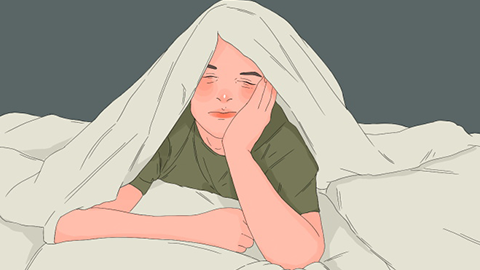
3. Sleep Apnea Syndrome: Characterized by repeated episodes of paused or shallow breathing during sleep, often accompanied by loud snoring and abrupt awakenings due to breathlessness. This leads to fragmented sleep and nocturnal oxygen desaturation, which may cause morning headaches and excessive daytime sleepiness. Long-term, it can negatively impact cardiovascular health.
4. Circadian Rhythm Sleep-Wake Disorders: Occur when the sleep-wake cycle is misaligned with the external environment due to irregular schedules or time-zone changes (e.g., jet lag). Symptoms include abnormal sleep onset times and insufficient sleep duration. Common among shift workers and individuals who frequently stay up late.
5. Sleep-Related Movement Disorders: Involve involuntary movements during sleep, such as periodic limb movement disorder and restless legs syndrome. The former involves rhythmic jerking of the legs, while the latter causes uncomfortable sensations in the legs at rest, leading to an urge to move. Both can significantly disrupt sleep quality.
Maintain a consistent bedtime and wake-up time, avoid electronic devices one hour before sleep, create a dark and quiet sleeping environment, and refrain from consuming caffeine or engaging in vigorous exercise close to bedtime. These practices help regulate the sleep-wake rhythm through consistent daily routines.