Is respiratory alkalosis a form of anxiety disorder?
Nov 17, 2025
Source: Cainiu Health

Dr. Zhang Baohua
Introduction
Respiratory alkalosis is not anxiety disorder; the former is a physiological metabolic disorder, while the latter is a mental health condition. However, anxiety attacks often trigger respiratory alkalosis. To alleviate alkalosis, one should first regulate breathing rhythm by practicing diaphragmatic breathing to reduce carbon dioxide loss. Managing anxiety disorder requires long-term psychological regulation and standardized interventions. In daily life, it's important to learn emotional management and scientifically sound breathing techniques.
Respiratory alkalosis is not anxiety disorder; the former is a physiological metabolic disorder, while the latter is a mental health condition. However, acute episodes of anxiety disorder often act as a trigger for respiratory alkalosis. The detailed explanation is as follows:
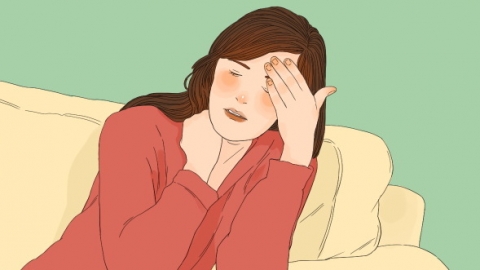
Respiratory alkalosis results from excessive ventilation, leading to over-expulsion of carbon dioxide and an increase in blood pH. Common symptoms include dizziness, numbness in hands and feet, muscle twitching, and palpitations—the core issue being disruption of the body's acid-base balance. Anxiety disorder, on the other hand, is characterized by persistent feelings of anxiety, tension, and fear, accompanied by psychological and behavioral abnormalities such as sleep disturbances, difficulty concentrating, and emotional instability. Its essence lies in psychological dysfunction. The pathological mechanisms and disease categories of these two conditions are entirely different. During an acute anxiety attack, patients often breathe rapidly and excessively due to extreme tension, which can trigger respiratory alkalosis.
To alleviate alkalosis, it is essential to first regulate breathing rhythm—using diaphragmatic breathing can help reduce carbon dioxide loss. Managing anxiety disorder requires long-term psychological regulation and standardized interventions. In daily life, learning effective emotional management and proper breathing techniques can significantly reduce the risk of both conditions occurring simultaneously.