How to Cope with Menopausal Anxiety Disorder
Nov 17, 2025
Source: Cainiu Health

Dr. Zhang Baohua
Introduction
Menopausal anxiety can be managed through hormonal regulation, professional psychological interventions, adjustment of daily routines, emotional expression and release, and moderate physical activity. Addressing the physiological changes of menopause with targeted strategies can help ensure a smoother transition. If anxiety symptoms persist or worsen and begin to affect sleep and appetite, prompt medical consultation is recommended. Under medical guidance, estrogen supplementation or hormone replacement therapy may be considered.
Menopausal anxiety can be managed through hormonal regulation, professional psychological interventions, adjustment of daily routines, emotional expression and support, and moderate physical activity. By addressing the physiological changes specific to menopause with targeted strategies, women can transition through this phase more smoothly. If anxiety symptoms persist or worsen and begin to affect sleep or eating habits, prompt medical consultation is recommended.
1. Hormonal Regulation: Under medical supervision, estrogen supplementation or hormone replacement therapy (HRT) may help alleviate anxiety caused by sudden hormonal declines. Treatment should only follow a thorough assessment of individual health conditions to avoid inappropriate or unguided use.
2. Professional Psychological Intervention: Seek help from a mental health professional. Cognitive-behavioral therapy (CBT) can correct negative thought patterns, while supportive counseling helps release emotional stress and build healthy coping mechanisms for managing anxiety.
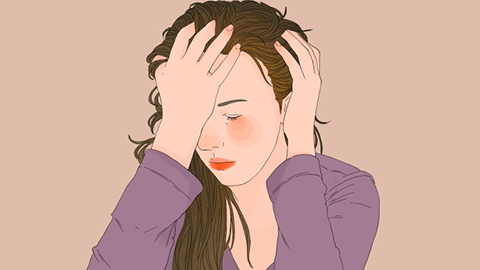
3. Adjustment of Daily Routines: Maintain a regular sleep schedule and avoid staying up late. Eat a balanced diet rich in soy products, vegetables, and fruits. Reduce intake of spicy or stimulating foods, and avoid caffeine and alcohol to create a stable physical foundation for emotional well-being.
4. Emotional Expression and Support: Communicate openly with family and friends to share feelings and relieve inner anxiety. Self-regulation techniques such as journaling or listening to calming music can also help prevent emotional suppression and buildup.
5. Moderate Exercise: Engage in gentle activities like walking, tai chi, or yoga 3–5 times per week. These exercises promote dopamine release, reduce tension and anxiety, and simultaneously alleviate physical discomfort associated with menopause.
In daily life, pay close attention to personal emotional and physical needs. Avoid being overly self-critical, cultivate hobbies such as gardening to redirect focus, maintain a comfortable indoor environment, and adopt consistent routines and gentle self-care practices to navigate menopause smoothly.