


What are the methods to eliminate fear?
Nov 17, 2025
Source: Cainiu Health

Dr. Zhang Baohua
Introduction
Methods for overcoming fear include cognitive restructuring, systematic desensitization, exposure therapy, relaxation training, and guided social support. These should be scientifically selected according to individual circumstances to gradually reduce the impact of fear on daily life. If fear persists for more than six months and significantly interferes with normal functioning, prompt medical consultation is recommended.
Methods for overcoming fear include cognitive restructuring, systematic desensitization, exposure therapy, relaxation training, and guided social support. These should be scientifically selected according to individual circumstances to gradually reduce the impact of fear on daily life. If fear persists for more than six months and significantly interferes with normal functioning, prompt medical consultation is recommended.
1. Cognitive Restructuring: This involves identifying irrational beliefs underlying fear, such as overestimating danger or catastrophizing, and replacing negative thoughts with objective facts. It helps establish rational thinking patterns and reduces the psychological basis for fear.
2. Systematic Desensitization: The feared object or situation is ranked according to the level of anxiety it provokes. Starting from low-anxiety scenarios, individuals are gradually exposed while practicing relaxation techniques. This step-by-step approach reduces sensitivity to the fear trigger, ultimately enabling normal responses.
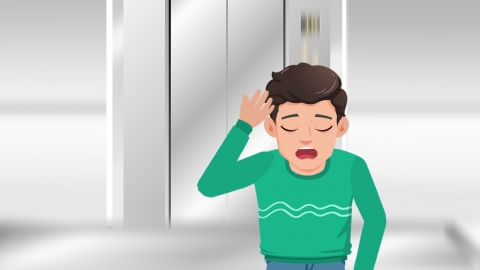
3. Exposure Therapy: In a safe environment, individuals directly confront the feared object or situation without avoidance. Repeated exposure helps the body adapt to the stimulus, gradually eliminating the fear response. This method is particularly effective for specific phobias, such as fear of animals or certain places.
4. Relaxation Training: Techniques such as deep breathing, progressive muscle relaxation, and meditation help regulate physiological states, alleviate tension and anxiety, reduce physical symptoms caused by fear (e.g., rapid heartbeat, sweating), and enhance emotional regulation.
5. Social Support Guidance: Actively discussing fears with family and friends can provide emotional understanding and encouragement. Joining support groups to share experiences can reduce feelings of isolation and strengthen confidence and courage in facing fears through external support.
Maintaining regular sleep patterns and a balanced diet in daily life helps prevent heightened emotional sensitivity due to fatigue or nutritional imbalances. Engaging in moderate aerobic exercise relieves stress, while cultivating focus on personal interests enhances psychological resilience against fear over time.




