What are the symptoms of smiling depression?
Nov 17, 2025
Source: Cainiu Health

Dr. Zhang Baohua
Introduction
Individuals with "smiling depression" often mask inner suffering with an outward appearance of optimism. Core symptoms include emotional contrast, exhaustion of energy, social fatigue, sleep disturbances, and self-negation. Specific manifestations involve appearing cheerful while feeling depressed internally, rapid depletion of energy, extreme fatigue after social interactions, emotional breakdowns at night, and subtle forms of self-criticism. Patients should also learn to appropriately express and release their emotions.
Individuals with "sunny depression" often mask inner suffering behind an outward appearance of optimism. Core symptoms include emotional contrast, exhaustion of energy, social fatigue, sleep disturbances, and covert self-negativity. Specifically, these manifest as appearing cheerful while feeling depressed internally, rapid depletion of energy, extreme fatigue after social interactions, emotional breakdowns at night, and hidden self-criticism. A detailed analysis is as follows:
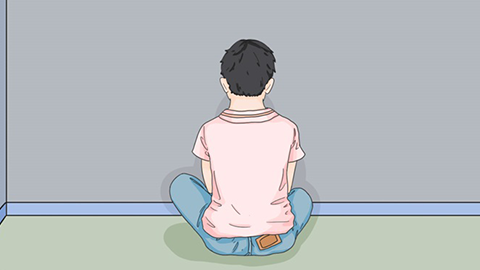
1. Outwardly optimistic, inwardly oppressed: They maintain a cheerful smile and take initiative in responsibilities and comforting others in front of people. However, when alone, they instantly drop the mask, overwhelmed by unexplained sadness and sometimes silently crying. This inner distress is rarely revealed to others.
2. Rapid energy depletion: Maintaining a positive demeanor daily consumes significant mental energy, leading to profound fatigue even after minor activities. Despite no physical exertion, symptoms such as dizziness and weakness frequently occur and are difficult to alleviate even after rest.
3. Extreme fatigue after socializing: While able to engage positively and behave appropriately during social events, they experience intense exhaustion afterward. They become unwilling to communicate further—sometimes not even wanting to speak or move—and require prolonged solitude to recover from the psychological toll of social interaction.
4. Nighttime emotional collapse: Emotional control maintained during the day completely breaks down at night. Minor issues may trigger emotional outbursts, or they may be overwhelmed by persistent sadness. Insomnia is a common accompanying issue; patients often lie awake until dawn, repeatedly ruminating on negative experiences.
5. Covert self-negativity: Though appearing indifferent to others' opinions—even using self-deprecating humor to defuse situations—they deeply undermine themselves internally. They believe their existence lacks value and that their efforts are unworthy of recognition, yet they never express this negative self-perception to others.
Due to its highly concealed nature, "sunny depression" requires those around the individual to pay close attention to subtle behavioral changes and offer genuine care proactively. Patients themselves should also learn to appropriately release emotions and understand that they don't need to force themselves to remain cheerful all the time.