


What does sleep disorder mean?
Nov 17, 2025
Source: Cainiu Health

Dr. Zhang Baohua
Introduction
Sleep disorders refer to abnormalities in the quantity, quality, or rhythm of sleep that result in unrefreshing sleep and impair daytime functioning. These conditions present with diverse symptoms and are associated with various factors. Chronic sleep disorders can negatively affect memory and concentration, and may increase the risk of other health problems. Mild symptoms can be improved by adjusting sleep schedules, creating a comfortable sleep environment, and practicing relaxation techniques before bedtime.
Sleep disorders refer to abnormalities in the quantity, quality, or rhythm of sleep that result in unrefreshing sleep and impair daytime functioning. These conditions are highly variable and associated with multiple factors. A detailed analysis is as follows:
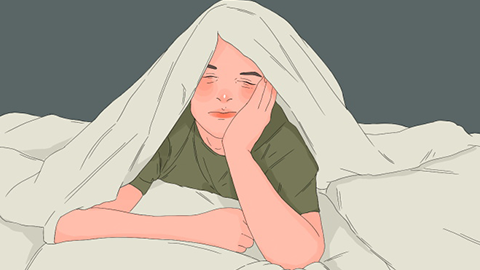
Common symptoms include difficulty falling asleep, frequent awakenings during the night, early morning awakening with inability to fall back asleep, or light, fragmented sleep with excessive dreaming leading to poor sleep quality. Some individuals experience excessive sleepiness or irresistible daytime drowsiness, while others may exhibit abnormal sleep behaviors such as sleep apnea or sleepwalking. All these conditions fall within the scope of sleep disorders. The causes are complex; psychological stress, anxiety, and depression are primary contributors, while environmental noise and irregular sleep schedules can also disrupt sleep. Additionally, certain physical illnesses, medication side effects, or unhealthy lifestyle habits—such as excessive use of electronic devices before bedtime or consuming caffeine—may trigger or worsen symptoms.
Chronic sleep disorders can impair memory and concentration and may increase the risk of other health problems. Mild symptoms can often be improved by adjusting sleep schedules, creating a comfortable sleep environment, and practicing relaxation techniques before bed. In more severe cases, targeted interventions are necessary to restore normal sleep rhythms.


