


How to relieve stress and anxiety
Nov 17, 2025
Source: Cainiu Health

Dr. Zhang Baohua
Introduction
Methods to alleviate stress and anxiety generally include regular physical exercise, deep breathing relaxation, positive thinking, engaging in enjoyable activities, and social communication for emotional support. Engaging in moderate-intensity exercises such as brisk walking or yoga 3–4 times per week is recommended. Exercise promotes the release of endorphins, which help suppress negative emotions and relieve physiological responses like muscle tension. Long-term adherence can enhance psychological resilience and stress tolerance.
Methods to alleviate stress and anxiety generally include regular exercise, deep breathing relaxation, positive thinking, engaging in enjoyable activities, and social communication. Specific details are as follows:
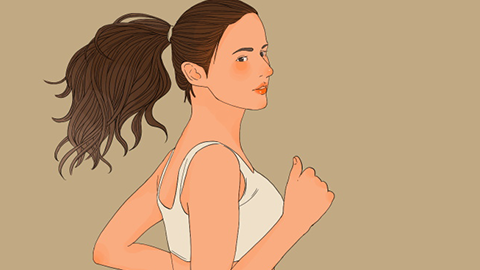
1. Regular Exercise: Engage in moderate-intensity physical activity 3–4 times per week, such as brisk walking or yoga. Exercise promotes the release of endorphins, which help suppress negative emotions and relieve physiological responses like muscle tension. Long-term adherence can enhance psychological resilience.
2. Deep Breathing Relaxation: When feeling anxious, practice diaphragmatic breathing—inhale for 4 seconds, hold for 2 seconds, exhale slowly for 6 seconds—repeating this cycle 5–8 times. Regulating your breathing helps reduce sympathetic nervous system activation, alleviates chest tightness and irritability, and promotes emotional stability.
3. Positive Thinking: Avoid negative thought patterns when facing stress. Objectively analyze problems and record positive thoughts, such as "This difficulty can be solved step by step," to break the cycle of anxiety and strengthen confidence in coping.
4. Distraction Through Hobbies: Immerse yourself in enjoyable activities such as painting or listening to music to divert attention from stressors. Achieving a sense of accomplishment during these activities reduces psychological burden and naturally regulates emotions.
5. Social Communication and Emotional Support: Share your stress and feelings with trusted individuals. Expressing emotions helps release inner pressure while gaining advice and support, reducing feelings of loneliness and promoting a more rational perspective on stress.
If the above methods fail to effectively relieve stress and anxiety, or if emotional issues persistently affect sleep, work, or daily life, it is important to seek professional psychological help promptly to prevent long-term accumulation of negative emotions leading to more serious mental health problems.



