


What causes dry and watery eyes?
Nov 17, 2025
Source: Cainiu Health

Dr. Wang Shuai
Introduction
In general, dry and watery eyes may be caused by environmental irritation, eye strain, dry eye syndrome, chronic conjunctivitis, or blocked tear ducts. It is recommended to seek medical attention promptly, identify the underlying cause, and receive appropriate treatment under a doctor's guidance. Maintain good eye hygiene in daily life, use a personal towel, and disinfect it regularly. Include foods rich in vitamin A in your diet, such as carrots and egg yolks.
Under normal circumstances, dry and watery eyes may be caused by environmental irritation, eye strain, dry eye syndrome, chronic conjunctivitis, or blocked tear ducts. It is recommended to seek medical attention promptly, identify the underlying cause, and receive appropriate treatment under a doctor's guidance. Specific explanations are as follows:
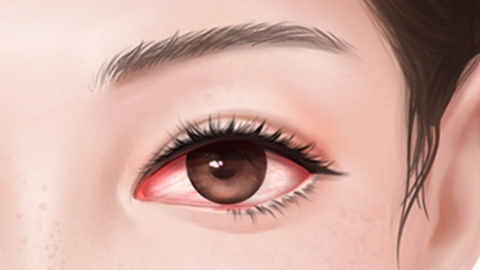
1. Environmental irritation: Prolonged exposure to windy, sandy, air-conditioned, or brightly lit environments can cause excessive evaporation of the tear film, leading to dryness and reflexive tear secretion. Wear protective goggles when outdoors, use a humidifier indoors to maintain humidity between 40%–60%, and avoid prolonged stays in dry environments.
2. Eye strain: Staring at electronic screens for extended periods reduces blinking frequency to about half the normal rate, causing tear film instability, dryness, and compensatory tearing. Take a break every 30 minutes of screen use to look into the distance for 5 minutes, consciously increase blinking frequency, and adjust screen brightness to match the surrounding environment.
3. Dry eye syndrome: Insufficient tear production or poor tear quality leads to inadequate lubrication of the ocular surface, stimulating the lacrimal gland and resulting in the paradoxical symptoms of dryness and excessive tearing. Follow your doctor’s instructions to use medications such as sodium hyaluronate eye drops, polyethylene glycol eye drops, or carboxymethylcellulose sodium eye drops to relieve discomfort.
4. Chronic conjunctivitis: Recurrent bacterial infection or allergen exposure causes inflammation of the conjunctiva, which can lead to both dryness and increased tear secretion. Clean the eye area daily with warm water, follow medical advice when using medications such as tobramycin eye drops, levofloxacin eye drops, or erythromycin eye ointment, and avoid rubbing the eyes.
5. Blocked tear ducts: Obstruction in the puncta or canaliculi prevents normal drainage of tears, causing them to accumulate and overflow. At the same time, poor tear circulation results in ocular surface dryness. Use prescribed medications such as chloramphenicol eye drops, rifampicin eye drops, or tobramycin-dexamethasone eye drops to control inflammation. In some cases, a tear duct probing procedure may be required to restore proper drainage.
Maintain good eye hygiene in daily life—use personal towels and disinfect them regularly. Include foods rich in vitamin A in your diet, such as carrots and egg yolks. Ensure adequate sleep and minimize late-night activities to comprehensively support eye health.





