What to do if your eyes are swollen due to a cosmetic allergy
Nov 17, 2025
Source: Cainiu Health

Dr. Wang Shuai
Introduction
In general, eye swelling due to cosmetic allergies may be caused by factors such as a weakened skin barrier, use of low-quality cosmetics, contact dermatitis, allergic conjunctivitis, or angioedema. It is recommended to seek medical attention promptly, identify the underlying cause, and then improve the condition under a doctor's guidance through general management, medication, and other treatments. Maintain a light diet in daily life and avoid spicy, irritating foods and seafood that are prone to trigger allergies.
In general, eye swelling caused by cosmetic allergies may result from fragile skin barriers, use of low-quality cosmetics, contact dermatitis, allergic conjunctivitis, or angioedema. It is recommended to seek medical attention promptly, identify the underlying cause, and then improve symptoms under a doctor's guidance through general management, medication, and other treatments. Specific analyses are as follows:
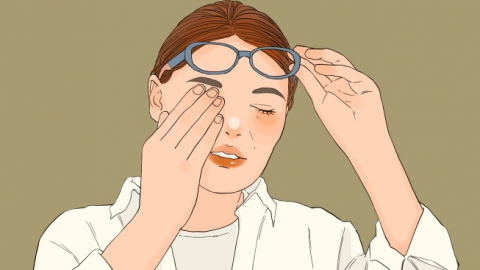
1. Fragile skin barrier: The skin around the eyes is thin and delicate with weak barrier function, making it susceptible to irritation and swelling from cosmetic ingredients. Immediately discontinue all suspected cosmetics and gently wipe the eye area with room-temperature physiological saline to remove residual substances. Avoid washing with hot water or rubbing the eyes, which could worsen irritation.
2. Use of low-quality cosmetics: Inferior cosmetics often contain irritating ingredients such as heavy metals and fragrances that directly trigger allergic reactions and swelling upon contact with the sensitive skin around the eyes. Choose reputable brands and simple-formula skincare products for the eye area. Avoid makeup during an allergic episode to allow the skin sufficient rest, and ensure proper sun protection when going outdoors.
3. Contact dermatitis: Allergens in cosmetics can induce skin inflammation, manifesting as redness, swelling, itching, and rashes around the eyes. Follow your doctor’s instructions to take oral antihistamines such as loratadine tablets, cetirizine hydrochloride tablets, or ebastine tablets, and apply calamine lotion to relieve itching.
4. Allergic conjunctivitis: Cosmetic components entering the eye can irritate the conjunctiva, triggering an allergic reaction that causes eye swelling, tearing, and increased secretions. Avoid rubbing your eyes and use prescribed eye drops such as sodium cromoglicate, olopatadine hydrochloride, or tobramycin-dexamethasone according to medical advice.
5. Angioedema: Severe allergic reactions can lead to dilation and congestion of blood vessels beneath the skin around the eyes, causing significant swelling that may impair vision. Seek immediate medical care. Under medical supervision, take medications such as prednisolone tablets, dexamethasone tablets, or chlorpheniramine maleate tablets to rapidly control inflammation. Cold compresses may also be applied if necessary to reduce swelling.
Maintain a light diet in daily life, avoid spicy, stimulating foods and seafood that may trigger allergies, and consume more fresh fruits and vegetables rich in vitamins. After recovery from an allergic episode, perform a patch test on the inner forearm or behind the ear before using any new cosmetic product, and only apply it around the eyes after confirming no adverse reaction occurs.