


What should not be eaten together with crab
Nov 18, 2025
Source: Cainiu Health

Dr. Huang Yuhong
Introduction
Crab should not be consumed together with persimmons, strong tea, beer, ice cream, or mutton, as combining these foods with crab may cause gastrointestinal discomfort or adversely affect health. Attention should be paid to the appropriateness of food combinations. If persistent abdominal pain, vomiting, or allergic reactions occur after consumption, medical attention is recommended. Persimmons contain tannic acid, which can combine with the protein in crab to form indigestible precipitates.
When eating crabs, it is not advisable to consume persimmons, strong tea, beer, ice cream, or mutton at the same time. Combining these foods with crab may cause gastrointestinal discomfort or affect health; therefore, attention should be paid to the rationality of food pairing. If persistent abdominal pain, vomiting, or allergic reactions occur after consumption, medical attention is recommended promptly.
1. Persimmons: Persimmons contain tannic acid, which can combine with the protein in crab to form indigestible precipitates that irritate the gastrointestinal tract, leading to bloating and diarrhea. This combination may also impair nutrient absorption. There should be at least a 2-hour interval between consuming these two foods.
2. Strong tea: Strong tea contains high levels of tannic acid. When consumed with crab, it increases the burden on the digestive system, reduces protein absorption, and may lead to nausea and vomiting—especially when consumed on an empty stomach, where the risk is higher.
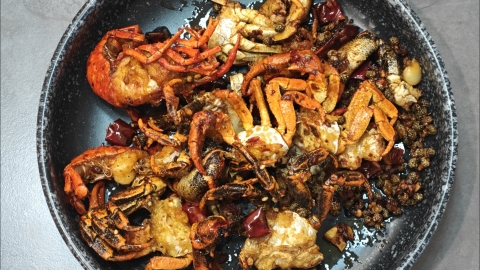
3. Beer: Crabs are high in purines, and beer also contains purines. Consuming them together raises uric acid levels in the body, increasing the risk of gout and placing additional strain on kidney metabolism. Individuals with high uric acid levels should strictly avoid this combination.
4. Ice cream: Crabs are inherently cold in nature, and when eaten with cold foods like ice cream, their combined cooling effect may cause gastrointestinal blood vessels to constrict, leading to abdominal pain and diarrhea. People with weak spleen and stomach functions or cold constitutions should be especially cautious.
5. Mutton: Mutton is warming in nature, while crab is cooling. Eating them together creates a clash of hot and cold properties, which may irritate the gastrointestinal mucosa, disrupt digestion, and lead to discomfort such as bloating and acid reflux. Those with sensitive constitutions should particularly avoid this combination.
Before eating crab, ensure it is thoroughly cleaned and fully cooked, and remove the internal organs and gills. Pair it with warming ingredients such as ginger or perilla leaves to counteract its cooling nature. Control portion sizes to avoid overburdening the digestive system, and drink warm water in moderation after eating to aid digestion.



