


Can eating crab cause poisoning?
Nov 24, 2025
Source: Cainiu Health

Dr. Wang Lei
Introduction
Under normal circumstances, eating crabs will not cause poisoning. When purchasing, choose live and fresh crabs, and avoid buying dead crabs or products of unknown origin. Before cooking, remove the internal organs such as gills and intestines. When steaming or boiling, ensure the crabs are thoroughly cooked for at least 20 minutes. Serve with ginger and vinegar to reduce fishy odor and neutralize the food's cold nature.
Under normal circumstances, eating crabs does not cause poisoning. The detailed explanation is as follows:
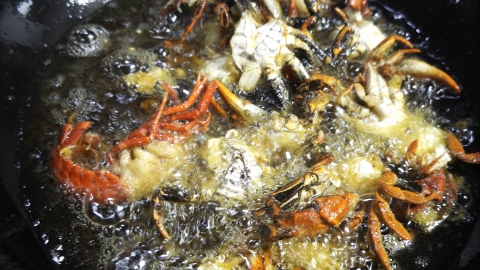
Crabs themselves are not toxic and are rich in high-quality protein and various trace elements, making them highly nutritious. The folk belief that "eating crabs causes poisoning" mostly arises from consuming stale seafood, improper cooking methods, or individual physical conditions. Spoiled crabs easily breed pathogenic bacteria such as *Vibrio parahaemolyticus*, and insufficient cooking may lead to bacterial infections. Some people may be allergic to crab meat or have weak digestive systems; symptoms like diarrhea or rashes after eating crabs are not signs of poisoning. When fresh crabs are properly handled and thoroughly cooked, they are safe to eat.
When purchasing, choose live, active crabs and avoid dead ones or products of unknown origin. Before cooking, remove internal organs such as the gills and intestines. When steaming or boiling, ensure the crabs are fully cooked—cooking time should be no less than 20 minutes. Serve with a dip of ginger and vinegar to reduce fishy odor and counteract the food's cooling nature. Avoid overeating to prevent overburdening the digestive system. After eating, wash hands promptly and drink plenty of water to support metabolism. If discomfort such as abdominal pain or vomiting occurs, stop eating immediately and monitor symptoms; seek medical attention promptly if symptoms become severe.


