


What dietary restrictions should be observed after strabismus surgery?
Nov 18, 2025
Source: Cainiu Health

Dr. Huang Yuhong
Introduction
After strabismus surgery, patients should avoid spicy and stimulating foods, greasy and high-sugar foods, hard or difficult-to-chew foods, alcoholic beverages, and overly salty foods. Proper dietary control can reduce eye discomfort and promote wound healing and vision recovery. If symptoms such as redness and swelling of the wound, increased pain, or abnormal vision occur after surgery, prompt medical attention is recommended. Spicy and stimulating foods include chili peppers, Sichuan pepper, ginger, garlic, and other spicy ingredients.
After strabismus surgery, it is important to avoid spicy and stimulating foods, greasy and high-sugar foods, hard-to-chew foods, alcoholic beverages, and overly salty foods. Maintaining a proper diet can reduce eye discomfort and promote wound healing and vision recovery. If symptoms such as redness and swelling of the wound, increased pain, or abnormal vision occur after surgery, prompt medical attention is recommended.
1. Spicy and stimulating foods: Spicy foods such as chili peppers, Sichuan pepper, ginger, and garlic can stimulate the dilation of blood vessels in the eyes, worsening congestion and swelling in the operated eye. They may also impair wound healing and prolong the recovery period. These foods should be strictly avoided for at least one month after surgery.
2. Greasy and high-sugar foods: Fried foods, fatty meats, and sweets increase metabolic burden on the body, reduce immunity, and may trigger inflammatory responses in the eye, which are detrimental to wound healing. A light and balanced diet is recommended.
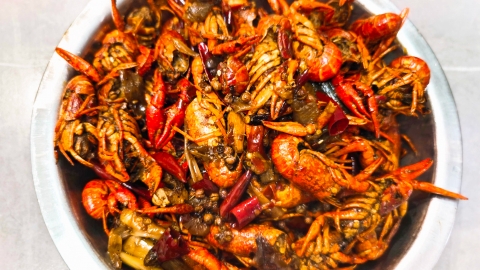
3. Hard and difficult-to-chew foods: Foods such as nuts, sugarcane, and hard bones require forceful chewing, which may strain facial muscles and indirectly affect the eye wound, potentially causing suture loosening. Soft and easily digestible foods are recommended for at least two weeks after surgery.
4. Alcoholic beverages: Alcohol causes systemic vasodilation, exacerbating ocular congestion. It may also interfere with drug metabolism, reduce anti-inflammatory effectiveness, and increase the risk of infection. Alcohol consumption should be completely avoided for at least one month post-surgery.
5. Overly salty foods: A high-salt diet can lead to fluid retention in the body, potentially worsening eye swelling and impairing recovery of the operated eye. Daily salt intake should be controlled, and pickled or preserved foods such as salted vegetables should be avoided.
Diet after surgery should be light and easy to digest. Consume plenty of protein- and vitamin-rich foods such as lean meat, eggs, vegetables, and fruits to ensure balanced nutrition. Chew food slowly and thoroughly during meals to avoid excessive strain on facial muscles, thereby supporting eye recovery.



