


Can glaucoma occur after myopia surgery?
Nov 18, 2025
Source: Cainiu Health

Dr. Wang Lei
Introduction
In general, whether a person develops glaucoma after myopia surgery depends on individual circumstances. The surgery itself usually does not directly cause glaucoma, but if there are pre-existing high-risk factors or improper postoperative care, the risk of developing glaucoma may increase. After surgery, it is essential to strictly follow medical instructions, attend regular check-ups for intraocular pressure and fundus examinations, and avoid discontinuing anti-inflammatory eye drops without authorization.
In general, whether a person develops glaucoma after myopia surgery depends on individual circumstances. The surgery itself usually does not directly cause glaucoma; however, if there are pre-existing high-risk factors or improper postoperative care, the risk of developing glaucoma may increase. A detailed analysis is as follows:
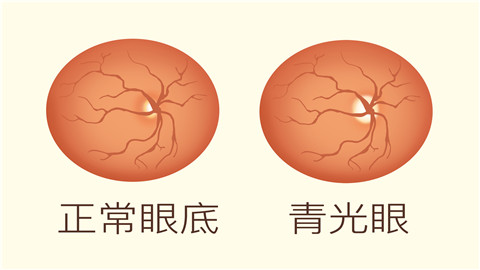
Myopia surgery primarily corrects vision by reshaping the cornea. The surgical site and mechanism do not directly interfere with the eye's aqueous humor circulation, nor do they damage structures related to glaucoma, such as the optic nerve. For individuals with normal intraocular pressure before surgery, no family history of glaucoma, and no other ocular abnormalities, the likelihood of developing glaucoma after surgery is extremely low, and therefore excessive concern is unnecessary.
If high-risk factors such as elevated intraocular pressure, a family history of glaucoma, or thin corneas exist prior to surgery, or if postoperative complications such as corneal edema or persistent inflammation occur, the accuracy of intraocular pressure measurements may be affected, potentially leading to missed glaucoma diagnosis or indirectly increasing the risk of elevated eye pressure. Such individuals should have their intraocular pressure closely monitored after surgery.
After surgery, it is essential to strictly follow medical instructions for postoperative care, attend regular check-ups to monitor intraocular pressure and fundus conditions, and avoid discontinuing anti-inflammatory eye drops without authorization. Develop healthy visual habits, avoid prolonged near-work and staying up late, and maintain emotional stability to prevent sudden increases in eye pressure.



