Is injection treatment effective for age-related macular degeneration in the elderly?
Nov 18, 2025
Source: Cainiu Health

Dr. Wang Lei
Introduction
If elderly individuals have wet age-related macular degeneration, injections (primarily anti-vascular endothelial growth factor drugs) are usually effective. This condition involves the growth of abnormal new blood vessels in the retina, which are prone to causing bleeding and edema. Injections can suppress the growth of these new blood vessels, reduce swelling and bleeding, help stabilize or even improve vision, and slow disease progression. Most patients require regular, scheduled injections over a course of treatment to maintain therapeutic effects.
Generally, injections are effective for the wet type of age-related macular degeneration (AMD) in elderly individuals, while their effectiveness is limited for the dry type. If there are concerns, it is recommended to seek medical advice early. Detailed analysis is as follows:
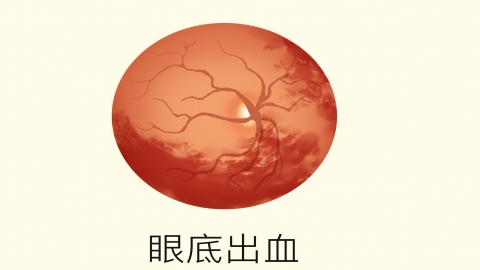
If an elderly person has wet AMD, injections—primarily anti-vascular endothelial growth factor (anti-VEGF) drugs—are usually effective. This condition involves abnormal blood vessel growth in the retina, which can lead to bleeding and swelling. Injections help suppress the development of these new blood vessels, reduce swelling and hemorrhaging, stabilize or even improve vision, and slow disease progression. Most patients require regular, ongoing injections according to a treatment schedule to maintain therapeutic benefits.
If an elderly person has dry AMD, the effectiveness of injections is generally limited. This form is primarily characterized by progressive atrophy of the macula. Currently, there are no targeted injectable medications capable of reversing this atrophic process. Injections may be used as an auxiliary measure to alleviate minor discomfort but cannot effectively halt disease progression. Instead, daily management focuses on slowing vision loss through nutritional supplementation, UV protection, and other preventive measures.
After being diagnosed with AMD, elderly patients should first determine the specific type of condition. During injection therapy, regular follow-up exams assessing visual acuity and retinal health are essential. Additionally, they should avoid direct exposure to bright light, minimize eye strain, and adhere to medical instructions for proper eye care to preserve ocular health.