Both eyes are somewhat considered to have low vision.
Nov 18, 2025
Source: Cainiu Health

Dr. Zhou Xiaofeng
Introduction
Low vision is diagnosed when, after optical correction (such as wearing glasses or contact lenses), visual acuity in both eyes remains stable within the range of 0.05 to 0.3 and cannot be further improved with conventional corrective methods. This condition commonly occurs in patients with eye diseases such as retinal disorders, advanced glaucoma, or corneal scarring. Daily activities involving vision, such as reading or walking, are significantly affected by marked blurriness, requiring the use of assistive devices.
Under normal circumstances, a best-corrected visual acuity between 0.05 and 0.3 in both eyes is considered low vision, while vision below 0.05 is classified as blindness. If there are concerns, it is recommended to seek medical advice promptly. Detailed explanations are as follows:
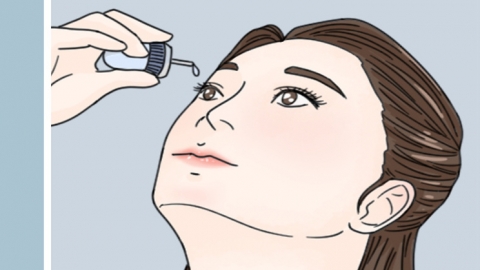
If, after optical correction (such as wearing glasses or contact lenses), the visual acuity in both eyes remains stable between 0.05 and 0.3 and cannot be improved by conventional corrective methods, low vision may be diagnosed. This condition commonly occurs in patients with retinal diseases, advanced glaucoma, corneal scarring, and other eye disorders. Daily activities such as reading and walking become significantly impaired due to blurred vision, often requiring assistive devices like magnifiers or visual aids.
In some cases, even if visual acuity is above 0.05 but still below 0.3, or accompanied by significant visual field constriction (e.g., visual field radius less than 10 degrees), the individual may still be categorized as having low vision. Some patients may have visual acuity close to 0.3, but due to limited visual fields, their actual field of view is narrow, leading to reduced environmental awareness and impaired daily functioning. A professional evaluation is necessary to determine whether this constitutes low vision.
When a continuous decline in vision is noticed, a comprehensive ophthalmic examination should be conducted promptly to identify the underlying cause. After a diagnosis of low vision, appropriate visual assistive devices can be selected under medical guidance. It is also important to protect remaining vision in daily life—avoid direct exposure to bright light and minimize eye strain.