Does cod liver oil have any therapeutic effect on cataracts?
Nov 18, 2025
Source: Cainiu Health

Dr. Wang Lei
Introduction
Cod liver oil does not have a direct therapeutic effect on cataracts, but it can provide nutritional support to the eyes and help slow the progression of early-stage disease. Once cataracts have formed, they cannot be reversed by taking cod liver oil and require professional medical treatment. It is important to maintain a balanced diet in daily life, consuming more fruits and vegetables rich in lutein and zeaxanthin, such as spinach and blueberries. Avoid prolonged exposure to bright light, and wear sunglasses when outdoors.
Fish liver oil does not have a direct therapeutic effect on cataracts, but it can provide nutritional support to the eyes and help slow the progression of early-stage disease. Once cataracts have formed, they cannot be reversed by taking fish liver oil; professional medical treatments are required. Detailed analysis is as follows:
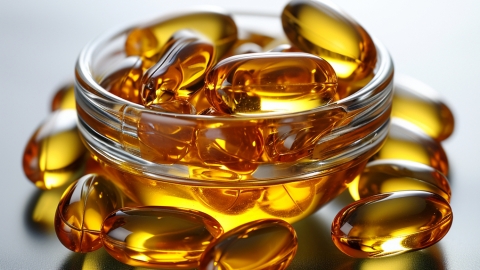
Fish liver oil is rich in vitamin A and vitamin D. Vitamin A helps maintain the health of the ocular surface mucosa and reduces eye dryness and discomfort. For early, mild cataracts caused by nutritional deficiencies, supplementing with fish liver oil may delay the rate of lens opacification by improving nutrition. However, the underlying cause of cataracts is denaturation of lens proteins, a pathological process that fish liver oil cannot alter, meaning it cannot prevent disease progression to the point where medical intervention becomes necessary.
When cataracts significantly impair vision and affect daily life, surgery remains the only effective treatment, restoring vision through replacement with an artificial intraocular lens. At this stage, taking fish liver oil can only serve as supplementary nutrition for eye health after surgery, potentially aiding in improving ocular function, but it cannot replace surgical treatment. Overreliance on fish liver oil may delay the optimal timing for treatment.
In daily life, maintain a balanced diet and consume more fruits and vegetables rich in lutein and zeaxanthin, such as spinach and blueberries. Avoid staring directly at bright light for prolonged periods, and wear sunglasses when outdoors.