


How to measure eye prescription strength
Nov 18, 2025
Source: Cainiu Health

Dr. Zhou Xiaofeng
Introduction
Common methods for measuring eye refractive error generally include automated refraction, cycloplegic refraction, comprehensive refraction using a phoropter, trial lens refraction, and refraction assisted by an eye chart. Automated refraction quickly obtains ocular refractive data through a computerized refractor, offering simple operation and short duration. The device emits light into the eye and calculates the degrees of myopia, hyperopia, or astigmatism based on how the light is refracted.
Common methods for measuring eye prescription include computerized refraction, cycloplegic refraction, comprehensive refractor testing, trial lens refraction, and visual acuity chart-assisted refraction. Detailed explanations are as follows:
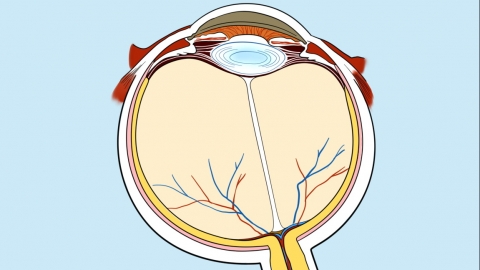
1. Computerized Refraction: This method uses an autorefractor to quickly obtain ocular refractive data. It is simple to operate and time-efficient. The instrument emits light into the eye and calculates the degree of myopia, hyperopia, or astigmatism based on how the light refracts. It serves as a preliminary reference and is suitable for initial screening or basic data collection before eyeglass fitting.
2. Cycloplegic Refraction: This involves using cycloplegic agents to relax the ciliary muscle, eliminating interference from pseudo-myopia. After pupil dilation, refraction testing provides a more accurate measurement of true refractive error. It is especially recommended for children, first-time patients, or individuals with accommodative spasm, helping to prevent misdiagnosis of pseudo-myopia as true myopia.
3. Comprehensive Refractor Testing: Conducted by a professional optometrist using a phoropter, this method involves adjusting various optical lenses while asking the patient to compare visual clarity under different lens combinations. The process incorporates the patient’s subjective feedback to fine-tune the prescription, ultimately determining the most accurate refractive correction. Due to its high accuracy, it is ideal for precise refraction prior to glasses fitting.
4. Trial Lens Refraction: The optometrist inserts trial lenses of varying powers into a trial frame, which the patient wears while reading an eye chart. The lens power is gradually adjusted until the patient achieves clear vision according to standard visual acuity levels. This method relies heavily on the optometrist's experience and the patient’s subjective responses, making it suitable for basic refraction or temporary adjustments during lens trials.
5. Visual Acuity Chart-Assisted Refraction: This begins with a visual acuity test using an eye chart to assess baseline vision, followed by refraction using instruments or trial lenses to determine the exact prescription. The chart allows for rapid evaluation of visual performance and helps guide further refraction. It is commonly used as an initial step in the refraction process to determine whether more detailed testing is needed.
It is recommended to undergo eye examinations at正规 ophthalmology clinics or professional optometry centers, avoiding non-professional equipment. If glasses are needed after refraction, a trial wearing period is essential to ensure there is no dizziness, visual distortion, or other discomfort before finalizing the prescription.



