


How to quickly treat bedsores once they have developed
Nov 19, 2025
Source: Cainiu Health

Dr. Liu Wenmin
Introduction
To quickly treat pressure ulcers once they develop, it is generally necessary to promptly relieve local pressure, keep the wound clean and dry, and use medications appropriately. Pressure ulcers are often caused by prolonged localized pressure; therefore, patients should be turned regularly every 1–2 hours to prevent continuous stress on the affected area. Supportive devices such as air mattresses or soft pillows can be used to distribute body weight and reduce pressure on the wound site.
After developing pressure ulcers, to achieve rapid healing, it is generally necessary to promptly relieve local pressure, keep the wound clean and dry, use medications appropriately, enhance nutritional intake, and properly protect the wound. Specific measures are as follows:
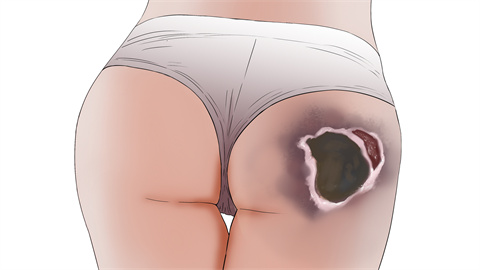
1. Promptly relieve local pressure: Pressure ulcers often result from prolonged localized pressure. It's important to assist patients in turning over regularly—every 1–2 hours—to prevent continuous stress on affected areas. Use supportive devices such as air mattresses or soft pillows to redistribute body weight and reduce pressure on the wound site, thereby creating favorable conditions for wound healing.
2. Keep the wound clean and dry: Gently clean the wound with normal saline to remove secretions and necrotic tissue, preventing bacterial growth. After cleaning, gently pat the area dry with sterile gauze to maintain a dry wound surface. If there is exudate, change the dressing promptly to avoid soaking the wound, which could impair healing.
3. Use medications appropriately: Select suitable medications based on wound condition. For example, apply anti-inflammatory ointments if the wound is red and swollen; use antibiotics as prescribed by a doctor if signs of infection appear. Ensure the wound is clean before applying medication, and follow instructions or medical advice when administering drugs to promote resolution of inflammation and tissue repair.
4. Enhance nutritional supplementation: Adequate nutrition provides energy for wound healing. Increase protein intake through foods such as eggs, milk, and lean meat to aid tissue repair. Also supplement with vitamins and minerals from fresh vegetables and fruits to improve overall nutritional status and accelerate wound healing.
5. Protect the wound properly: Prevent secondary injuries such as friction or impact to the wound. Handle the patient gently when changing clothes or turning them over. For patients with limited mobility, place soft pillows around the wound area to minimize external irritation and ensure stable wound healing.
In daily care, closely monitor changes in the wound. Seek medical attention promptly if the wound enlarges, exudate increases, or fever develops. For individuals who are bedridden long-term, regularly inspect skin condition—especially bony prominences—and take preventive measures early to reduce the risk of developing pressure ulcers.






