


Can I get the HPV vaccine if I test positive for high-risk types HPV 16 and 18?
Nov 19, 2025
Source: Cainiu Health

Dr. Zhang Lu
Introduction
If HPV types 16 and 18 are positive but cervical cytology results are normal, with no evidence of cervical intraepithelial lesions or cancer, vaccination with a vaccine covering additional high-risk HPV types (such as the nine-valent or quadrivalent vaccines) may be considered. This can help prevent infection from non-16/18 high-risk HPV types, reduce the risk of subsequent infections, and lower the likelihood of various HPV-related diseases. In such cases, vaccination is generally acceptable.
Generally, individuals who are positive for HPV types 16 and 18 may still receive the vaccine, but caution is advised if there are existing lesions or special health conditions. The decision depends on individual health status and the protective coverage of the vaccine. If in doubt, it is recommended to consult a healthcare provider in advance. Detailed analysis is as follows:
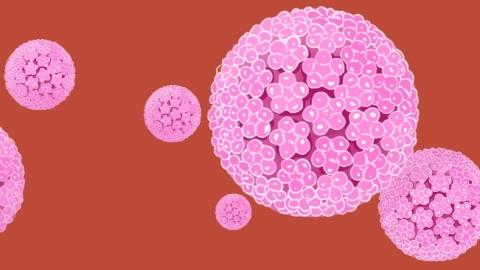
If a person tests positive for HPV 16 or 18 but has normal cervical cytology results and no evidence of cervical intraepithelial neoplasia or cancer, vaccination with broader-coverage HPV vaccines (such as the nonavalent or quadrivalent vaccines) is generally acceptable. These vaccines can help prevent infection from other high-risk HPV types not yet acquired, reduce the risk of future infections, and lower the likelihood of developing various HPV-related diseases.
However, if an individual with HPV 16 or 18 has already been diagnosed with high-grade cervical intraepithelial lesions, cervical cancer, or is experiencing acute fever or severe immunodeficiency, priority should be given to treating the existing condition, and vaccination is temporarily not recommended. In such cases, the vaccine cannot eliminate the existing HPV infection and may be less effective or carry a higher risk of adverse reactions due to compromised health.
Prior to vaccination, individuals who are HPV 16/18 positive should complete evaluations including cervical cytology testing and HPV genotyping to fully understand their health status. After vaccination, regular HPV screening and cervical examinations should be continued as directed by a physician. It is important to note that vaccination does not replace routine cervical cancer screening; regular check-ups must be maintained to promptly detect and manage any abnormalities and safeguard long-term health.






