


Can allergic conjunctivitis cause eyelid margin congestion?
Nov 19, 2025
Source: Cainiu Health

Dr. Wang Lei
Introduction
In general, whether allergic conjunctivitis causes eyelid margin congestion depends on factors such as the extent of inflammation and the patient's eye-rubbing behavior. If discomfort occurs, prompt medical evaluation is recommended. Eyelid margin congestion is often accompanied by symptoms such as itching and increased eye discharge, and should be differentiated from infectious conjunctivitis, dry eye syndrome, and other conditions. Additionally, avoid known allergens and maintain good ocular hygiene.
In general, whether allergic conjunctivitis leads to eyelid margin congestion depends on factors such as the extent of inflammation and the patient's eye-rubbing behavior. If discomfort occurs, timely medical consultation is recommended. The detailed analysis is as follows:
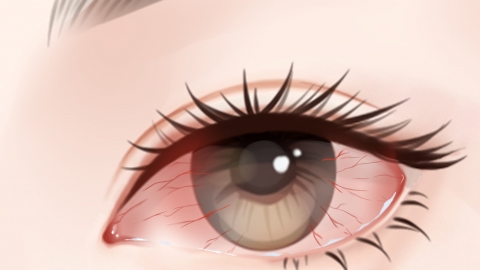
When allergic conjunctivitis involves a broad area of inflammation or when patients frequently rub their eyes, eyelid margin congestion typically occurs. The allergic reaction causes ocular surface inflammation to spread to the eyelid margin, stimulating local vasodilation. Combined with mechanical trauma from rubbing, this significantly worsens congestion, manifesting as redness and swelling along the eyelid edges, possibly accompanied by itching or mild stinging.
If the inflammation of allergic conjunctivitis is limited to the bulbar conjunctiva and the patient avoids rubbing the eyes, eyelid margin congestion generally does not occur. In such cases, the inflammation does not affect the eyelid margins, and ocular irritation symptoms are mild, presenting only as redness and itching of the white part of the eye. With proper use of anti-allergy medications, the inflammation can be controlled, and the eyelid margins remain in normal condition.
Conjunctival margin congestion is often accompanied by symptoms such as itching and increased secretions, and should be differentiated from infectious conjunctivitis, dry eye disease, and other conditions. Additionally, avoiding known allergens and maintaining good eye hygiene can help alleviate symptoms and prevent disease occurrence.





