


Does acquired strabismus have a genetic component?
Nov 19, 2025
Source: Cainiu Health

Dr. Wang Lei
Introduction
In general, acquired strabismus is not hereditary. It is important to protect the eyes in daily life, avoid ocular trauma, and have regular vision check-ups. Any refractive errors should be corrected promptly. Maintain good eye-use habits, avoid prolonged near-work, and prevent eye fatigue. If symptoms such as double vision or misaligned eyes occur, seek immediate medical attention to determine the underlying cause.
In general, acquired strabismus is not hereditary. The detailed explanation is as follows:
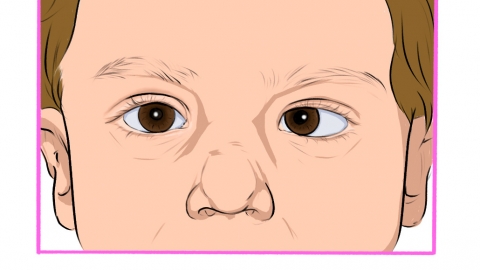
Acquired strabismus does not involve genetic transmission. This type of strabismus is mostly caused by acquired factors and has no direct association with genes. Common causes include eye injuries, uncorrected refractive errors, neurological disorders, and extraocular muscle palsy. It results from acquired disturbances in the structure or function of the eye leading to misalignment, and it does not pass abnormal traits to offspring—this clearly distinguishes it from congenital strabismus, which may have a genetic component.
In daily life, it's important to protect the eyes by avoiding ocular trauma and having regular vision check-ups. Refractive errors should be corrected promptly once detected. Maintain good visual habits by avoiding prolonged near-work to prevent eye strain. If symptoms such as double vision or eye misalignment occur, seek medical attention immediately to determine the underlying cause. Follow medical advice for eye exercises or treatments, and consume foods rich in vitamins to support overall eye health.






