


What to eat for good eye health
Nov 19, 2025
Source: Cainiu Health

Dr. Huang Yuhong
Introduction
Foods that are good for the eyes generally include blueberries, carrots, spinach, egg yolks, and salmon. Blueberries: Rich in anthocyanins, blueberries help protect retinal photoreceptor cells, reduce light-induced eye damage, promote ocular blood circulation, and relieve eye fatigue. They are especially suitable for people who use their eyes extensively. Blueberries can be eaten raw or paired with yogurt.
Foods that are good for the eyes generally include blueberries, carrots, spinach, egg yolks, and salmon. The detailed analysis is as follows:
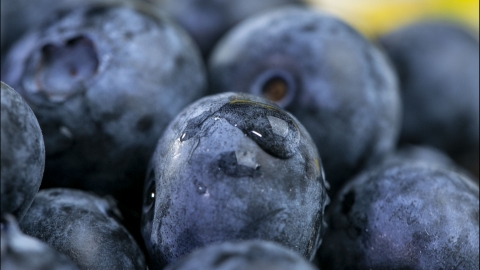
1. Blueberries: Blueberries are rich in anthocyanins, which help protect retinal photoreceptor cells, reduce light-induced eye damage, promote ocular blood circulation, and relieve eye fatigue. They are especially suitable for people who use their eyes frequently and can be eaten raw or with yogurt.
2. Carrots: Carrots are rich in beta-carotene, which the body converts into vitamin A. Vitamin A helps maintain the health of ocular surface tissues, prevents dry and irritated eyes, promotes retinal development, and supports normal visual function. Carrots can be consumed by stir-frying or stewing.
3. Spinach: Spinach contains lutein and zeaxanthin. These two components accumulate in the lens and retina, filtering harmful blue light, reducing oxidative stress in the eyes, and slowing down the aging of ocular tissues. They may assist in preventing eye diseases and can be eaten stir-fried or as a salad.
4. Egg Yolks: Egg yolks contain lutein, zeaxanthin, and vitamin A. These nutrients work together to protect the retina, maintain normal eye metabolism, and help relieve eye fatigue. They are suitable for daily consumption with staple foods; however, intake should be moderate to ensure balanced nutrition.
5. Salmon: Salmon is rich in omega-3 unsaturated fatty acids, which help reduce ocular inflammation, support retinal vascular health, alleviate symptoms of dry eye syndrome, and provide essential nutritional support to the eyes. It can be prepared by steaming or baking.
In daily diet, it's important to balance various eye-protective foods and avoid excessive intake of any single food. Additionally, develop healthy eye-use habits, avoid prolonged continuous eye use, and have regular eye examinations.



