


Which department should I visit for eyelid twitching?
Nov 19, 2025
Source: Cainiu Health

Dr. Wang Lei
Introduction
In general, eyelid spasms can be evaluated by appropriate specialists depending on the underlying cause, such as ophthalmology, neurology, psychiatry and psychology, endocrinology, or general medicine. Additionally, it is important to ensure adequate sleep and reduce the use of electronic devices in daily life. If spasms occur frequently or spread to a larger area, prompt medical attention is necessary to avoid delaying diagnosis and treatment.
In general, eyelid twitching can be evaluated by different departments depending on the specific cause, such as ophthalmology, neurology, psychiatry and psychology, endocrinology, or general medicine. The details are as follows:
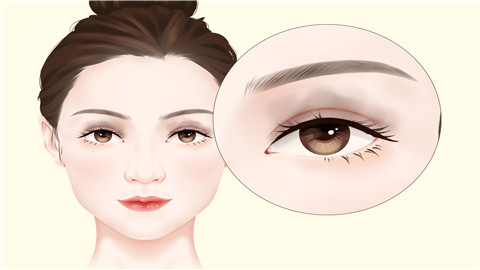
1. Ophthalmology
Ophthalmology is the first-choice department for eyelid twitching caused by eye-related issues such as eye strain, dry eye syndrome, or eyelid inflammation. The muscles of the eyelids are innervated by the ocular nerves, and ocular irritation may easily trigger abnormal nerve discharges, leading to involuntary muscle contractions. Doctors will determine the underlying cause through vision tests and slit-lamp examinations, and may prescribe artificial tears or anti-inflammatory medications to relieve discomfort.
2. Neurology
If eyelid twitching persists for more than two weeks or is accompanied by facial twitching or headaches, a visit to the neurology department is recommended. This may indicate neurological conditions such as compressed facial nerves or hemifacial spasm, often due to abnormal nerve conduction. Doctors may use neurophysiological tests to identify the issue and treat it with medications or botulinum toxin injections to regulate nerve function.
3. Psychiatry and Psychology
For eyelid twitching triggered by chronic anxiety, stress, or emotional tension, patients should consult the psychiatry and psychology department. Emotional fluctuations can disrupt neuroendocrine balance and increase muscle excitability. Doctors will conduct psychological assessments to evaluate the patient's condition and use counseling or emotion-regulation techniques to alleviate symptoms.
4. Endocrinology
Endocrine disorders such as thyroid dysfunction or hypoglycemia may also trigger eyelid twitching, requiring evaluation by the endocrinology department. Hormonal imbalances or abnormal blood glucose levels can interfere with neuromuscular function. Doctors will monitor relevant indicators through blood tests and adjust the endocrine status accordingly.
5. General Medicine
If the cause of eyelid twitching is unclear or symptoms are mild, patients may first visit the general medicine department. General practitioners will perform an initial assessment, determine whether referral to a specialist is needed, and guide further treatment.
In addition, maintaining adequate sleep and reducing screen time are important in daily life. If twitching occurs frequently or spreads to other areas, prompt medical attention is necessary to avoid delays in diagnosis and treatment.




