


Can people with astigmatism wear glasses?
Nov 19, 2025
Source: Cainiu Health

Dr. Wang Lei
Introduction
In most cases, astigmatism can be corrected with eyeglasses. Most patients with astigmatism can effectively improve their vision by wearing appropriate glasses, although some special cases may require additional corrective methods. After being fitted with glasses, regular follow-up examinations to monitor astigmatism levels are necessary—especially for children and adolescents, who should have their eyes checked every six months to one year to ensure timely adjustment of lens parameters. It is also important to avoid prolonged near work and to maintain proper posture during reading and writing.
In general, eyeglasses can correct astigmatism. Most patients with astigmatism can effectively improve their vision by wearing appropriate glasses, although certain special cases may require additional corrective methods. The details are as follows:
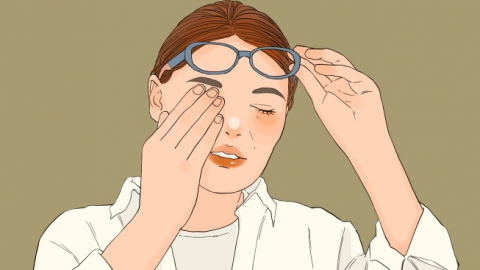
Astigmatism results from irregular curvature of the cornea or lens, causing blurred or distorted images. Wearing corrective lenses is a fundamental and safe approach. Eyeglasses incorporate cylindrical lens components to adjust the path of light refraction, ensuring that images focus properly on the retina and alleviating symptoms such as double or blurry vision. For mild to moderate astigmatism, glasses alone are usually sufficient for daily needs.
For a small number of patients with high astigmatism or unusual corneal shapes, standard eyeglasses may provide limited correction or cause discomfort such as dizziness or visual distortion after use. Under medical guidance, these individuals may consider rigid gas-permeable contact lenses, which conform closely to the corneal shape and offer more precise correction. In some cases, alternative treatments such as laser surgery may also be considered.
After getting glasses, regular follow-up exams to monitor astigmatism levels are essential—especially for children and adolescents, who should have their eyes checked every six months to one year to ensure timely adjustment of lens prescriptions. Additionally, avoid prolonged continuous eye use, maintain proper reading and writing posture, and allow the eyes to rest regularly.


