


Which department should I visit for eye allergies?
Nov 19, 2025
Source: Cainiu Health

Dr. Liu Wenmin
Introduction
In general, eye allergies should be evaluated by the appropriate medical specialty based on the type of allergy and accompanying symptoms. Common departments for consultation include ophthalmology, allergy and immunology, pediatrics, dermatology, and general practice. When experiencing an allergic eye reaction, avoid rubbing the eyes, and wear protective eyewear or windproof glasses outdoors to block allergens. In daily life, maintain indoor cleanliness, regularly change bed sheets and pillowcases, and minimize dust mite growth.
Generally, eye allergies should be evaluated by selecting the appropriate medical department based on the type of allergy and accompanying symptoms. Common departments for consultation include ophthalmology, allergy & immunology, pediatrics, dermatology, and general practice. The details are as follows:
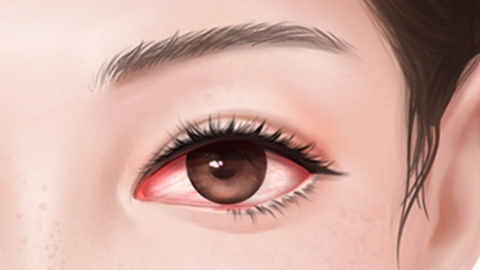
1. Ophthalmology: Localized ocular allergies are the most common type, such as allergic conjunctivitis, which presents with symptoms like itchy eyes, redness, tearing, and increased mucous discharge, often triggered by allergens like pollen or dust mites. An ophthalmologist can use a slit-lamp examination to assess the severity of ocular surface inflammation and prescribe targeted treatments such as anti-allergy eye drops.
2. Allergy & Immunology: If eye allergy symptoms are accompanied by systemic allergic reactions such as sneezing, runny nose, or skin itching, this may indicate a systemic allergic response. The allergy & immunology department can perform allergen testing to identify specific triggers and offer oral antihistamines or desensitization therapy to reduce the frequency of allergic episodes at the root cause.
3. Pediatrics: Children's immune systems are not yet fully developed, making them more susceptible to eye allergies. They may frequently rub their eyes due to difficulty expressing discomfort, thereby worsening symptoms. Pediatricians are skilled in assessing conditions according to children’s physiological characteristics, differentiating between allergic and infectious eye diseases, and guiding parents in daily prevention measures to avoid allergen exposure.
4. Dermatology: Allergic reactions affecting the eyelid skin should first be evaluated by a dermatologist. Symptoms such as eyelid swelling, rashes, or flaking after using cosmetics or eye creams are often caused by contact dermatitis. Dermatologists can use dermatoscopy to confirm the diagnosis and prescribe topical anti-inflammatory medications, helping prevent the spread of allergy to ocular surface tissues.
5. General Practice: For atypical eye allergy symptoms or when it is unclear whether the condition is truly allergic, initial consultation with a general practitioner is recommended. The GP will conduct a comprehensive symptom assessment, rule out other eye disorders, and refer the patient to the appropriate specialist as needed, minimizing the risk of misdiagnosis or missed diagnosis.
During an eye allergy flare-up, avoid rubbing the eyes. Wearing windproof goggles outdoors can help block allergens. Maintaining indoor cleanliness, regularly changing bed sheets and pillowcases, and reducing dust mite proliferation are effective ways to lower the risk of allergic episodes. When combined with proper medical treatment, these measures can quickly restore comfort to the eyes.




