What are the potential risks of laser eye surgery?
Nov 19, 2025
Source: Cainiu Health

Dr. Wang Lei
Introduction
In general, although laser eye surgery is a common vision correction procedure, it may pose various potential risks after surgery, including dry eye syndrome, regression of vision, corneal complications, optical aberrations, elevated intraocular pressure, and others. The risks associated with laser eye surgery are closely related to preoperative evaluation, surgical technique, and postoperative care. A comprehensive assessment of ocular conditions is necessary before surgery, and patients must strictly follow medical instructions afterward.
Laser eye surgery is generally a common procedure for vision correction, but various potential risks may occur after the operation, including dry eye syndrome, vision regression, corneal complications, optical aberrations, and elevated intraocular pressure. A detailed analysis is as follows:
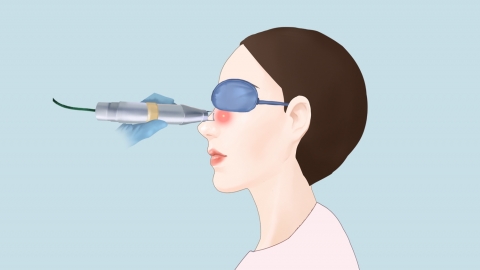
1. Dry Eye Syndrome: The surgery may damage certain lacrimal gland ducts and goblet cells on the ocular surface, leading to reduced tear secretion or decreased tear quality. Patients often experience symptoms such as dryness, foreign body sensation, and photophobia, which significantly worsen during prolonged screen use or in dry environments and typically require artificial tears for relief.
2. Vision Regression: Some patients may experience a decline in visual acuity within six months to one year after surgery, requiring them to wear low-prescription glasses again. This condition is often associated with high preoperative myopia, excessive eye strain post-surgery, or excessive corneal healing that alters refractive status.
3. Corneal Complications: Since the procedure involves corneal tissue removal, improper surgical technique or inadequate postoperative care may lead to corneal epithelial injury or infection, manifesting as eye pain, redness, and increased discharge. In severe cases, corneal flap displacement can occur, resulting in sudden vision loss and requiring urgent medical intervention.
4. Optical Aberrations: Uneven corneal ablation during surgery may increase optical aberrations, causing symptoms such as double vision, glare, halos around lights, and reduced night vision. These effects impair daily activities like night driving and reading, thereby decreasing overall visual quality.
5. Elevated Intraocular Pressure: Some patients may experience temporary increases in intraocular pressure after surgery. If not promptly controlled, this may damage the optic nerve. Symptoms include eye discomfort and headaches, and sustained high pressure increases the risk of glaucoma. Regular monitoring and timely intervention are therefore essential.
The risks associated with laser eye surgery are closely related to preoperative evaluation, surgical precision, and postoperative care. Comprehensive assessment of ocular conditions before surgery, strict adherence to medical instructions afterward—including avoiding eye rubbing and overuse—and regular follow-up visits can significantly reduce the likelihood of complications and help ensure optimal surgical outcomes.