


What does refractive error include?
Nov 19, 2025
Source: Cainiu Health

Dr. Wang Lei
Introduction
Refractive errors generally include myopia, hyperopia, astigmatism, presbyopia, etc. Myopia: excessive refractive power of the eye or an overly long axial length causes parallel light entering the eye to focus in front of the retina. Patients experience blurred distance vision while near vision remains relatively clear. Prolonged near work, genetic factors, and other elements may trigger or exacerbate this condition.
Refractive errors generally include myopia, hyperopia, astigmatism, and presbyopia. A detailed analysis is as follows:
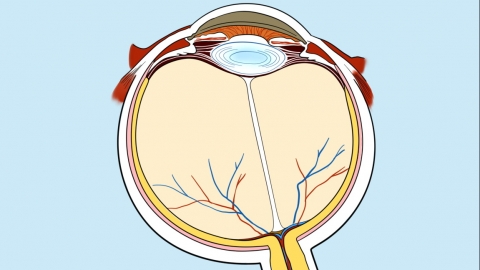
1. Myopia: Excessive refractive power of the eye or an overly long axial length causes parallel light rays entering the eye to focus in front of the retina. Patients experience blurred distance vision while near vision remains relatively clear. Prolonged close-up work, genetic factors, and other elements may trigger or worsen this condition.
2. Hyperopia: Insufficient refractive power or a shorter-than-normal eyeball causes incoming parallel light rays to focus behind the retina. Patients may have blurred vision for both distant and near objects, particularly requiring excessive accommodation for near tasks, which can lead to eye strain, discomfort, and aching. This condition is commonly seen in children.
3. Astigmatism: Irregular curvature of the cornea or lens surface results in differing refractive powers across different meridians, preventing incoming light from forming a single focal point. Patients often experience double images or distorted vision, with blurriness affecting both near and far visual tasks.
4. Presbyopia: With increasing age, the lens loses elasticity and the ciliary muscle's accommodative ability declines, impairing the eye’s ability to focus on nearby objects. Patients experience difficulty with near vision tasks, such as needing to hold reading material farther away. Symptoms are typically more pronounced in the evening or under poor lighting conditions. This is a physiological change in refraction associated with aging.
When visual abnormalities are detected, individuals should promptly visit a qualified medical institution for refraction testing to determine the type and degree of refractive error. Based on the test results, appropriate corrective methods—such as wearing eyeglasses or contact lenses—can be selected.




