Which department should I visit for eye twitching?
Nov 19, 2025
Source: Cainiu Health

Dr. Zhou Xiaofeng
Introduction
For twitching eyelids, the appropriate medical department should be selected based on specific causes. Common departments include ophthalmology, neurology, pediatrics, psychiatry, and general practice. In daily life, avoid prolonged eye use; take a 5-10 minute break every hour and maintain a regular sleep schedule. When eyelid twitching occurs, do not become overly anxious—brief episodes often resolve spontaneously. However, if twitching persists for more than one week, seek timely medical evaluation to determine the underlying cause.
In general, the appropriate medical department for eye twitching should be selected based on specific causes. Common departments include ophthalmology, neurology, pediatrics, psychiatry, and general practice. The details are as follows:
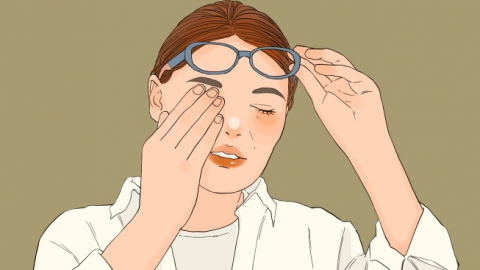
1. Ophthalmology: Local eye issues are common causes of eye twitching. For example, prolonged screen watching can lead to eye fatigue, causing spasms in the muscles around the eyes. Inflammation such as conjunctivitis or keratitis, or inward-growing eyelashes rubbing against the eyeball, may also trigger eye twitching. These conditions require evaluation by an ophthalmologist and can often be relieved through rest or eye drops.
2. Neurology: Abnormal nerve function can easily cause eye twitching. For instance, early-stage facial myokymia often presents initially as eyelid twitching, usually caused by compression or irritation of the facial nerve. The twitching may gradually spread to other areas of the face. Neurologists can use tests such as electromyography (EMG) to assess nerve function and develop appropriate treatment plans.
3. Pediatrics: In children, eye twitching is often related to bad habits or tic disorders. Some children develop habitual blinking or eye twitching from imitating others. Children with tic disorders may exhibit additional movements such as eyebrow furrowing or shoulder shrugging alongside eye twitching. Evaluation and guidance from a pediatrician are recommended.
4. Psychiatry: Prolonged mental stress, anxiety, or excessive pressure can keep the nervous system in a state of overexcitement, leading to involuntary twitching of the muscles around the eyes. This type of twitching often worsens during emotional fluctuations and improves with rest. Psychological counseling from a psychiatrist can help relieve emotional stress.
5. General Practice: If the cause of eye twitching is unclear, or if it is accompanied by various symptoms such as dizziness and fatigue, and no specific department can be determined, patients may first visit a general practitioner. The GP will conduct a comprehensive assessment of overall health and refer the patient to the appropriate specialist for further diagnosis and treatment.
In daily life, avoid prolonged eye strain—take a 5–10 minute break every hour—and maintain a regular sleep schedule. When eye twitching occurs, do not become overly anxious; brief episodes often resolve spontaneously. However, if twitching persists for more than one week, seek medical attention promptly to determine the underlying cause.