What disease is high eye pressure?
Nov 19, 2025
Source: Cainiu Health

Dr. Wang Lei
Introduction
Elevated intraocular pressure is not an independent disease, but rather an abnormal condition in which pressure within the eye exceeds the normal range. It is often associated with eye health issues and requires attention and intervention based on individual circumstances. Once elevated eye pressure is detected, a professional examination should be conducted to identify the underlying cause. In daily life, avoid prolonged close-up visual tasks; rest your eyes for 5–10 minutes every 40 minutes by looking into the distance to relax the eyes.
High intraocular pressure is not an independent disease, but rather an abnormal condition in which the pressure within the eye exceeds the normal range. It is often associated with eye health issues and requires attention and intervention based on specific circumstances. Detailed analysis is as follows:
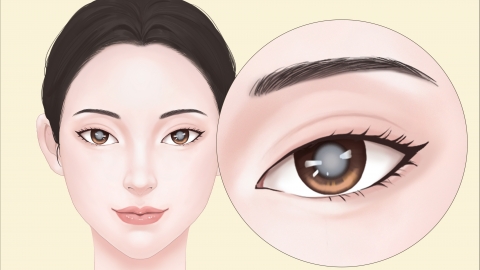
Intraocular pressure refers to the pressure exerted by the contents of the eye on the eye wall. The normal range is 10–21 mmHg; pressure above this level is considered elevated. Excessive production of aqueous humor or obstruction in its drainage pathways are the main causes of increased intraocular pressure. Elevated eye pressure may not cause obvious symptoms initially, but prolonged high pressure can compress the optic nerve, potentially leading to eye diseases such as glaucoma, accompanied by blurred vision, eye discomfort, headaches, and other symptoms. In severe cases, it may result in permanent vision damage. Additionally, factors such as excessive eye strain, intense emotional fluctuations, or prolonged exposure to dark environments may temporarily increase intraocular pressure.
Once high intraocular pressure is detected, a professional examination should be conducted to identify the underlying cause. In daily life, avoid prolonged close-up visual tasks; take a 5- to 10-minute break every 40 minutes of eye use, during which you should look into the distance to relax your eyes. Regular eye examinations—especially for individuals with a family history of glaucoma—can help detect abnormal eye pressure early, allowing timely, science-based interventions to reduce risks to eye health and preserve clear vision.