


What causes a bump on the eye, and what should be done about it?
Nov 19, 2025
Source: Cainiu Health

Dr. Wang Lei
Introduction
In general, eye lumps may be caused by factors such as eye strain, excessive sebum production, hordeolum, chalazion, or contact dermatitis. Management depends on the specific cause and may involve lifestyle adjustments, medication, or surgical intervention. Different causes require different treatments. If the lump continues to grow, pain worsens, or vision abnormalities occur, prompt medical evaluation is recommended to establish a clear diagnosis.
Generally, the appearance of a lump on the eyelid may be caused by eye strain, excessive sebum production, hordeolum (stye), chalazion, or contact dermatitis. Depending on the specific cause, symptoms can be improved through lifestyle adjustments, medication, or surgical intervention. Detailed explanations are as follows:
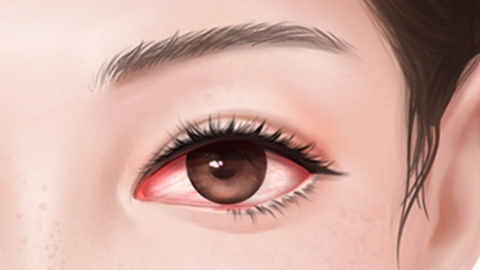
1. Eye strain: Prolonged screen time can cause congestion of blood vessels around the eyes and obstruct secretion of eyelid glands, leading to small lumps. Reduce screen usage, take a 5-minute break to look into the distance every hour, and apply a warm compress to the eyes for 10 minutes to relieve symptoms.
2. Excessive sebum production: A diet high in fat or irregular sleep patterns can lead to clogged sebaceous glands of the eyelid, forming white or light yellow bumps. Adopt a lighter diet with reduced fried foods, maintain regular sleep habits, and clean the skin around the eyes daily with a non-irritating facial cleanser.
3. Hordeolum (Stye): Acute inflammation caused by bacterial infection (commonly Staphylococcus) of the meibomian gland, presenting as a painful, red, swollen lump. Treatment under medical guidance may include levofloxacin eye drops, erythromycin eye ointment, or cefradine capsules. If an abscess forms, incision and drainage may be required.
4. Chalazion: Blockage of the meibomian gland duct leads to retention of secretions, forming a painless hard nodule. Treatment under medical supervision may include tobramycin eye drops, pranoprofen eye drops, or prednisolone eye drops. If it persists long-term, surgical excision (chalazion curettage) may be necessary.
5. Contact dermatitis: Inflammation caused by exposure to cosmetics or allergens around the eyes, accompanied by itching and redness. Under medical guidance, antihistamines such as cetirizine hydrochloride tablets, hydrocortisone butyrate cream, or loratadine syrup may be used, and suspected allergens should be discontinued immediately.
Different causes require different treatments. If the lump continues to grow, pain worsens, or vision abnormalities occur, prompt medical evaluation is essential to ensure accurate diagnosis and prevent delayed recovery.





