


What does it mean if the eyes are slightly cross-eyed?
Nov 19, 2025
Source: Cainiu Health

Dr. Wang Lei
Introduction
In general, mild eye misalignment may be caused by poor visual habits, refractive errors, comitant strabismus, paralytic strabismus, thyroid-associated ophthalmopathy, or other reasons. Patients can choose appropriate interventions such as lifestyle modifications, medication, or surgical treatment according to their specific conditions. Parents should pay attention to children's visual behaviors, conduct regular vision screenings, and ensure early detection and timely intervention.
Under normal circumstances, slight eye misalignment may be caused by poor eye-use habits, refractive errors, comitant strabismus, paralytic strabismus, or thyroid-related eye disease. Patients can choose appropriate treatments such as lifestyle adjustments, medication, or surgery based on their specific condition. Detailed analysis is as follows:
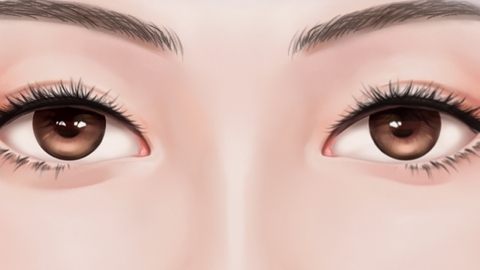
1. Poor Eye-Use Habits
Long-term habits such as tilting the head to view objects or prolonged close-up work can cause uneven tension in the extraocular muscles, leading to disrupted eye coordination and resulting in strabismus. Correcting posture, maintaining proper reading and writing distances, taking breaks every 30 minutes of near work to look into the distance, and avoiding one-sided eye use are recommended.
2. Refractive Errors
Patients with myopia, hyperopia, or astigmatism may over-accommodate the eyes to achieve clear vision, disrupting the coordinated function of the extraocular muscles and triggering strabismus. It is advised to have an eye examination and wear corrective glasses at a reputable facility, undergo regular vision check-ups, and update eyeglass prescriptions promptly according to changes in vision.
3. Comitant Strabismus
Abnormal development of extraocular muscles or imbalanced neural control causes both eyes to fail to focus on the same target simultaneously, with a stable angle of deviation. Treatment may include medications such as mecobalamin tablets, vitamin B1 tablets, and citicoline sodium capsules under medical guidance, along with strabismus exercises. In severe cases, weakening surgery on the extraocular muscles may be required.
4. Paralytic Strabismus
Injury or infection damaging the nerves controlling extraocular muscles leads to muscle paralysis and inability to contract normally, causing strabismus accompanied by double vision (diplopia). Medications such as prednisolone tablets, amoxicillin capsules, and vitamin B12 tablets may be used under medical supervision. If conservative treatment fails, corrective surgery on the extraocular muscles may be necessary.
5. Thyroid-Related Eye Disease
Abnormal thyroid function causes swelling and thickening of the extraocular muscles, restricting eye movement and resulting in strabismus, often accompanied by eyelid swelling. Medications such as methimazole tablets, propylthiouracil tablets, and prednisone acetate tablets may be prescribed under medical guidance. In severe cases, orbital decompression surgery may be needed.
Parents should monitor children's eye use habits and conduct regular vision screenings for early detection and intervention. Adults should avoid eye injuries, actively manage thyroid function, and seek prompt medical attention when experiencing symptoms like double vision or eye misalignment to prevent delayed treatment.






