


What should I do if my nearsightedness suddenly worsens?
Nov 19, 2025
Source: Cainiu Health

Dr. Wang Lei
Introduction
If nearsightedness suddenly worsens, it is important to promptly undergo an eye examination to reassess vision, rule out eye diseases, adjust visual habits, improve the visual environment, and supplement nutrients beneficial for eye health, so as to avoid delaying diagnosis and treatment of potential problems. If accompanied by symptoms such as eye pain, distorted vision, light sensitivity, or excessive tearing, immediate medical evaluation is recommended. A professional eye exam can accurately determine changes in myopia degree and distinguish between true myopia and pseudo-myopia.
A sudden worsening of myopia requires prompt refraction examination, screening for eye diseases, adjustment of eye-use habits, improvement of the visual environment, and supplementation of nutrients beneficial to eye health, so as to avoid delayed diagnosis and treatment. If accompanied by symptoms such as eye pain, distorted vision, photophobia, or excessive tearing, immediate medical evaluation is recommended.
1. Timely Refraction Examination: Accurately determine changes in myopia degree through professional refraction testing, distinguishing between true myopia and pseudo-myopia. This helps prevent wearing inappropriate glasses that may increase ocular strain and provides a reliable basis for subsequent vision correction.
2. Screen for Eye Diseases: Certain eye conditions, such as glaucoma or retinal disorders, may cause a sudden decline in vision. It is essential to perform fundus examinations and intraocular pressure measurements to rule out pathological causes and prevent missing diagnoses of serious eye diseases.
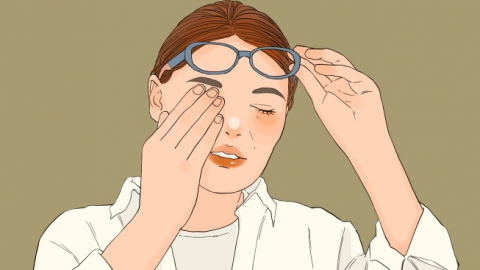
3. Adjust Eye-Use Habits: Reduce prolonged near-work activities. Rest for 5–10 minutes after every 40 minutes of continuous eye use. Avoid staying up late using eyes to reduce ciliary muscle fatigue and prevent further progression of myopia.
4. Improve Visual Environment: Ensure adequate and soft lighting in the visual environment. Avoid reading or working in dim or unstable lighting conditions. Maintain an appropriate reading and writing distance, and minimize blue light exposure from electronic screens to reduce eye irritation.
5. Supplement Eye Nutrients: Consume foods rich in lutein, vitamin A, vitamin C, and zinc in moderation. These nutrients support retinal metabolism, help maintain eye health, and slow down vision deterioration.
Daily practices should include performing eye exercises to relax eye muscles, avoiding rubbing eyes to prevent infections, undergoing regular eye check-ups to monitor vision changes, and maintaining a regular sleep schedule along with moderate outdoor physical activity to promote recovery and overall eye health.






