


What to do when a senior high school student is feeling down
Nov 20, 2025
Source: Cainiu Health

Dr. Zhang Baohua
Introduction
In general, low mood in senior high school students may be caused by hormonal fluctuations during puberty, chronic sleep deprivation, adjustment disorders, anxiety, depression, or other factors. It is recommended to seek medical attention promptly, identify the underlying cause, and then improve the condition through general treatments, medications, or other methods under a doctor's guidance. In daily life, include more fresh fruits and vegetables in the diet to ensure adequate vitamin intake.
Generally, low mood in high school seniors may be caused by hormonal fluctuations during puberty, chronic sleep deprivation, adjustment disorders, anxiety states, or depression. It is recommended to seek medical advice promptly, identify the underlying cause, and then improve the condition through general interventions, medication, and other methods under a doctor's guidance. Specific causes are analyzed as follows:
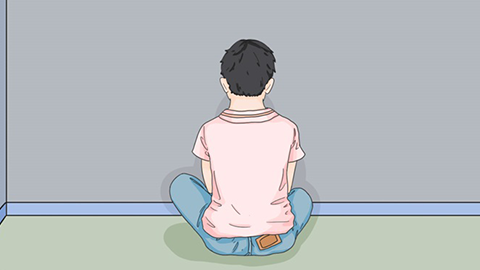
1. Hormonal fluctuations during puberty: High school seniors are still in puberty, during which estrogen or testosterone levels may be unstable, easily causing mood swings. Parents can encourage their children to eat more hormone-regulating foods such as soy products and nuts, and set aside 20 minutes daily for physical activities like basketball or jump rope, which help release emotions and stabilize hormone levels.
2. Chronic sleep deprivation: Staying up late to study leads to severe sleep loss, resulting in imbalances in brain neurotransmitters and reduced emotional regulation capacity. Establish a fixed daily schedule, ensure bedtime before 11 p.m., avoid electronic devices one hour before sleep, drink warm milk or listen to soothing music to aid sleep, and aim for 6–7 hours of sleep per night.
3. Adjustment disorder: The sudden increase in college entrance exam pressure may be difficult to adapt to, leading to persistent low mood and decreased learning efficiency. Under medical guidance, medications such as lorazepam tablets, alprazolam tablets, or estazolam tablets may be prescribed, and students should also seek help from school counselors.
4. Anxiety state: Excessive worry about exam results, accompanied by low mood and difficulty concentrating. Treatment may include selective serotonin reuptake inhibitors (SSRIs) such as sertraline tablets, paroxetine tablets, or fluvoxamine tablets, as directed by a physician, along with cognitive behavioral therapy.
5. Depression: Persistent low mood, typically worse in the morning and slightly better in the evening, accompanied by loss of interest and reduced energy. Medications such as fluoxetine hydrochloride capsules, venlafaxine hydrochloride sustained-release tablets, or mirtazapine tablets should be taken as prescribed. Parents should provide consistent companionship and emotional support.
In daily diet, include plenty of fresh fruits and vegetables to ensure adequate vitamin intake. Parents can arrange a weekly family meal or a short walk together to create a relaxed atmosphere. Students can keep a journal to process emotions and prevent emotional buildup. With combined efforts from both family and school, students can navigate their senior year more smoothly.






