


What should I do if a 16-year-old child is depressed?
Nov 20, 2025
Source: Cainiu Health

Dr. Zhou Xiaofeng
Introduction
Depression in 16-year-old adolescents may result from hormonal fluctuations during puberty, incomplete development of neurotransmitters, adjustment disorders, anxiety with depressive symptoms, or clinical depression. It is recommended to seek medical attention promptly, identify the underlying cause, and then improve the condition through general interventions, medication, and other treatments under a doctor's guidance. In daily life, avoid giving children excessive sweets and caffeinated snacks, and include plenty of fresh fruits and vegetables in their diet.
Under normal circumstances, depression in 16-year-old adolescents may be caused by hormonal fluctuations during puberty, incomplete development of neurotransmitters, adjustment disorders, anxiety with depressive symptoms, or clinical depression. It is recommended to seek medical attention promptly, identify the underlying cause, and then improve the condition through general interventions, medication, and other treatments under a doctor's guidance. The specific analysis is as follows:
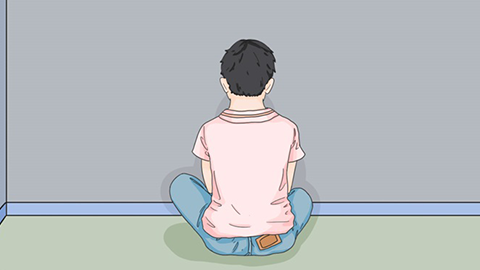
1. Hormonal fluctuations during puberty: At age 16, individuals are in puberty, during which estrogen or testosterone levels undergo significant changes that can affect the brain's emotional regulation centers, leading to low mood. Parents can accompany their child in consuming more hormone-regulating foods such as soy products and nuts, and set aside 30 minutes daily for physical activities like basketball or cycling to help release emotions and stabilize hormone levels.
2. Incomplete development of neurotransmitter systems: The brain's serotonin and dopamine systems are not yet fully mature, resulting in weaker emotional regulation and a tendency toward depressive states. Ensure the adolescent consumes nutrient-rich foods such as eggs and deep-sea fish daily, and maintains a consistent sleep schedule by going to bed before 11 p.m. to avoid disrupting the secretion rhythm of neurotransmitters due to late-night wakefulness.
3. Adjustment disorder: Academic transitions or interpersonal conflicts at school may make it difficult for teenagers to adapt, leading to persistent depression. Under medical supervision, medications such as lorazepam tablets, alprazolam tablets, or estazolam tablets may be used to alleviate symptoms.
4. Anxiety with depressive symptoms: Excessive academic pressure can trigger severe anxiety, which may compound into depressive emotions, manifesting as disinterest in school and poor energy levels. As directed by a physician, medications such as sertraline tablets, fluvoxamine tablets, or paroxetine tablets may be prescribed to manage symptoms.
5. Major depressive disorder: Persistent low mood lasting more than two weeks, accompanied by loss of interest, self-blame, or feelings of guilt, significantly impairing study and daily life, may indicate clinical depression. Treatment should be conducted under medical supervision using medications such as fluoxetine hydrochloride capsules, venlafaxine extended-release tablets, or mirtazapine tablets.
In daily life, avoid giving children excessive sweets and caffeinated snacks; instead, include plenty of fresh fruits and vegetables in their diet. Encourage social interactions with peers, reduce didactic communication from parents, and prioritize active listening. On weekends, plan short郊游 or other family outings. A warm family atmosphere combined with scientifically informed interventions can help adolescents overcome depression.




