Why do I feel especially depressed and want to cry at night, and what should I do about it?
Nov 20, 2025
Source: Cainiu Health

Dr. Zhang Baohua
Introduction
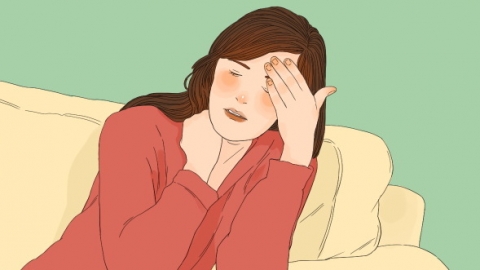
In general, feeling particularly depressed and tearful at night may be caused by factors such as light affecting mood regulation, hormonal fluctuations, neurasthenia, anxiety disorder, or depression. It is recommended to seek medical attention promptly, identify the underlying cause, and then improve symptoms under a doctor's guidance through general treatments, medications, and other approaches. In daily life, communicate and share feelings with family and friends more often, and avoid bearing negative emotions alone.
Generally, feeling particularly depressed and tearful at night may be caused by factors such as light affecting mood regulation, hormonal fluctuations, neurasthenia, anxiety disorder, or depression. It is recommended to seek medical attention promptly, identify the underlying cause, and then improve symptoms under a doctor's guidance through general treatments, medications, and other methods. Specific analyses are as follows:
1. Light Affecting Mood Regulation: At night, dimmer lighting increases melatonin secretion in the brain while decreasing serotonin levels, which can easily trigger feelings of sadness and depression. In the evening, open curtains to allow ample natural light indoors; use warm, soft yellow lighting at night; and avoid complete darkness one hour before bedtime.
2. Hormonal Fluctuations: During menstruation, pregnancy, or menopause in women, imbalances in estrogen and progesterone increase nervous system sensitivity, making emotional instability more likely at night. Increase intake of foods rich in phytoestrogens such as soy products and nuts, engage in 20 minutes of gentle daily exercise, and receive emotional support and understanding from family members.
3. Neurasthenia: Prolonged mental stress leads to neural fatigue. In quiet nighttime conditions, negative emotions become amplified, accompanied by depression and insomnia. Follow medical advice when using medications such as oryzanol tablets, vitamin B1 tablets, or Anshen Bunao Liquid. Maintain a balanced schedule between work and rest, and avoid staying up late or excessive rumination.
4. Anxiety Disorder: Chronic tension and worry may lead to anxiety disorder, with heightened anxiety at night manifesting as feelings of depression, palpitations, and trembling hands. Use medications such as sertraline hydrochloride tablets, paroxetine tablets, or lorazepam tablets as prescribed, combine with psychological counseling to release inner stress, and learn relaxation techniques like deep breathing.
5. Depression: Characterized primarily by persistent low mood, symptoms often worsen at night, accompanied by reduced interest and lack of energy. Take medications such as fluvoxamine hydrochloride tablets, maleate fluvoxamine tablets, or mirtazapine tablets as directed by a physician. For severe cases, repetitive transcranial magnetic stimulation (rTMS) therapy may be used, utilizing magnetic fields to stimulate brain nerves and improve mood.
In daily life, communicate frequently with family and friends to avoid bearing negative emotions alone. Develop hobbies such as painting or listening to music to divert attention. Eat light and easily digestible dinners, avoid coffee or strong tea before bedtime, and gradually improve emotional well-being through regular sleep patterns and positive social interactions.