What are the signs of abnormal psychological behavior?
Nov 21, 2025
Source: Cainiu Health

Dr. Zhang Baohua
Introduction
In general, manifestations of mental health issues are diverse, primarily including abnormal emotional fluctuations, cognitive distortions, unusual behaviors, social withdrawal, and disturbances in sleep and eating patterns. If such symptoms occur, there is no need to panic excessively. One can proactively talk to someone trusted or seek professional psychological support. Maintaining a regular daily routine and engaging more in outdoor activities are also beneficial.
Under normal circumstances, manifestations of mental health issues are varied and mainly include abnormal emotional fluctuations, cognitive distortions, unusual behaviors, social withdrawal, and disturbances in sleep and eating patterns. The details are as follows:
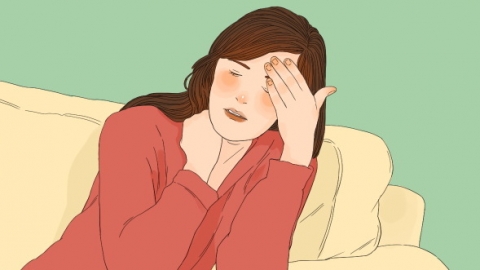
1. Abnormal Emotional Fluctuations: Prolonged emotional instability may lead to sudden outbursts of anger or crying without apparent cause, or persistent anxiety and depression. Individuals may lose interest in activities they previously enjoyed and struggle to feel pleasure even in positive situations. Their emotional responses may be inappropriate for the context, affecting daily judgment.
2. Cognitive Distortions: Disorganized thinking and incoherent speech, often accompanied by exaggerated beliefs or delusions—such as a firm belief that one is being watched or excessive suspicion toward others' intentions. Perception of reality becomes distorted; individuals fail to objectively assess themselves or their surroundings, are dominated by negative thoughts, and resist rational advice.
3. Unusual Behaviors: Actions that violate social norms, such as talking to oneself in public, making sudden purposeless movements, or engaging in repetitive, stereotyped behaviors. Some individuals may act impulsively, such as damaging property or harming themselves or others, showing a lack of behavioral control.
4. Social Withdrawal: Actively avoiding interpersonal interactions, refusing to participate in social activities, fearing contact with others, and even staying indoors constantly. They may appear emotionally detached when communicating with family and friends, struggle to form close relationships, and find it difficult to express their needs and emotions, gradually becoming isolated from society.
5. Sleep and Eating Disturbances: Persistent difficulties falling asleep, frequent dreams, or early awakenings—or conversely, excessive daytime sleepiness. Eating behaviors may become disordered, ranging from binge eating to loss of appetite and food refusal, resulting in significant weight fluctuations within a short period. This leads to deteriorating physical health and creates a vicious cycle between mind and body.
If any of the above symptoms occur, there's no need to panic excessively. One can proactively talk to someone trusted or seek professional psychological support. Maintaining a regular daily routine, engaging more in outdoor activities, and cultivating positive hobbies can help regulate mental well-being and restore physical and emotional balance.