


What are the early symptoms of mental illness?
Nov 21, 2025
Source: Cainiu Health

Dr. Zhang Baohua
Introduction
In general, early symptoms of psychosis mainly include abnormal mood fluctuations, changes in cognitive function, unusual behaviors, social withdrawal, and perceptual disturbances. These symptoms are often subtle and gradually worsen over time. Early signs of psychosis are easily overlooked, so family members and friends should pay close attention to the psychological and physical changes in those around them. If such symptoms persist, it is advisable to proactively offer companionship and open communication.
Generally, early symptoms of mental illness mainly include abnormal mood fluctuations, changes in cognitive function, unusual behavior, social withdrawal, and perceptual disturbances. These symptoms are often subtle and gradually worsen over time. A detailed analysis is as follows:
1. Abnormal Mood Fluctuations: The patient's emotional state becomes highly unstable, with sudden outbursts of anger or crying without apparent cause, or prolonged periods of low mood and indifference. They lose interest in people or activities they once cared about and struggle to feel pleasure even in positive situations. Emotional responses become severely disconnected from the surrounding environment.
2. Changes in Cognitive Function: Difficulty concentrating and frequent distractibility occur, along with disorganized thinking—such as abrupt topic shifts and incoherent speech. Memory declines noticeably, with frequent forgetfulness of recent events. There may be distorted perception of oneself and the surroundings, accompanied by excessive suspicion of others' intentions.
3. Unusual Behavior: Patients may exhibit purposeless, odd behaviors such as repeatedly rubbing their hands, pacing back and forth, talking to themselves, or experiencing disrupted sleep patterns—staying awake at night and sleeping during the day. Some individuals may act in ways that violate social norms, such as shouting loudly in public or picking up trash indiscriminately. Their words and actions become markedly different from their previous personality.
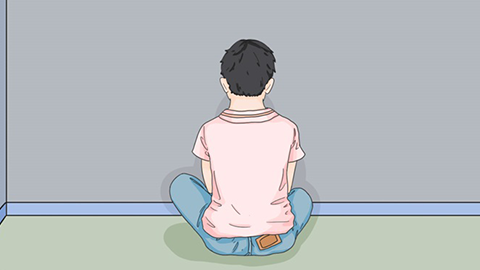
4. Social Withdrawal: Individuals actively avoid interpersonal interactions, refusing to participate in family gatherings, social events, or work-related communication, and may even stay confined at home. They appear emotionally detached when interacting with others, avoid speaking, and show no response to greetings or concern. Gradually, they disconnect from their former social circles, leading to a significant decline in social functioning.
5. Perceptual Disturbances: Hallucinations or illusions may occur, such as hearing voices that aren't there or seeing indistinct shadows. Ordinary objects may be misinterpreted as dangerous. Patients become abnormally sensitive to external stimuli like light and sound, often feeling that people around them are talking about them.
Early signs of mental illness are easily overlooked. Family members and friends should pay close attention to psychological and behavioral changes in those around them. If the above symptoms persist, it's important to offer support and open communication, and encourage the individual to seek professional evaluation. Early intervention can effectively slow disease progression and help patients maintain their daily functioning more successfully.


