What are the symptoms of panic attacks in anxiety disorder?
Nov 21, 2025
Source: Cainiu Health

Dr. Zhang Baohua
Introduction
In general, symptoms of panic attacks associated with anxiety disorders mainly include cardiovascular responses, respiratory dysfunction, neuromuscular symptoms, cognitive disturbances, gastrointestinal discomfort, and other aspects. Symptoms arise suddenly and are intense in severity. Although panic attacks can be severe, they are usually short-lived, typically lasting no more than one hour. During an attack, slow deep breathing may help to calm emotions.
Anxiety panic attacks typically involve symptoms affecting the cardiovascular system, respiratory function, neuromuscular responses, cognitive disturbances, and gastrointestinal discomfort. These symptoms arise suddenly and are often intense. A detailed breakdown is as follows:
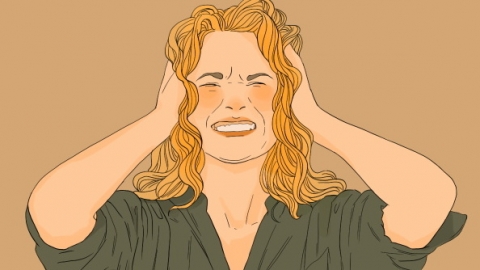
1. Cardiovascular responses: During an attack, individuals commonly experience sudden palpitations and rapid heartbeat. Some may also have chest pain or tightness, usually described as sharp or pressure-like, lasting from several minutes to tens of minutes. These symptoms are often mistaken for heart disease. They result from heightened autonomic nervous system activation, closely linked to intense emotional fluctuations.
2. Respiratory dysfunction: Patients may suddenly feel short of breath or suffocated, sensing a lack of air. This can lead to hyperventilation and gasping for breath. Some individuals also report throat tightness or a choking sensation. Hyperventilation may further cause dizziness and numbness in the hands and feet.
3. Neuromuscular symptoms: Common manifestations include trembling hands and feet, generalized weakness, and in some cases, body stiffness and muscle tension—particularly noticeable in the shoulders, neck, lower back, and back muscles. Sweating, pallor, or facial flushing may accompany the episode. The rapid onset of symptoms makes it difficult for patients to control their physical posture, often leading to feelings of helplessness.
4. Cognitive disturbances: Core features include an intense fear of dying, a sense of losing control, or feeling detached from reality (derealization). Patients experience extreme fear, mental confusion, difficulty concentrating, and blurred perception of their surroundings.
5. Gastrointestinal discomfort: Some patients develop sudden nausea, vomiting, abdominal pain, or bloating. A few may feel an urgent need to defecate. These symptoms are related to autonomic nervous system dysregulation affecting gastrointestinal motility and typically subside as the panic attack resolves.
Although panic attacks are severe in symptom intensity, they are usually brief, lasting no more than one hour. During an attack, slow deep breathing and focusing on breathing rhythm can help calm emotions. In daily life, avoiding excessive fatigue and emotional stress, maintaining regular sleep patterns, and engaging in moderate exercise can help reduce the frequency of panic episodes.