


Will skipping meals make you feel bad emotionally?
Nov 21, 2025
Source: Cainiu Health

Dr. Zhang Baohua
Introduction
Whether skipping meals leads to poor mood depends on the frequency and extent. Occasionally missing a meal briefly usually has little impact on mood; however, regularly or frequently skipping meals is likely to cause bad mood and even trigger emotional fluctuations. To maintain emotional stability, it's important to develop regular eating habits, keep consistent meal times, and ensure balanced intake of carbohydrates and protein at each meal.
Whether skipping meals leads to poor mood depends on the frequency and extent. Occasionally missing a single meal briefly usually has little impact on mood; however, regularly or frequently skipping meals is likely to cause bad mood and even trigger emotional fluctuations.
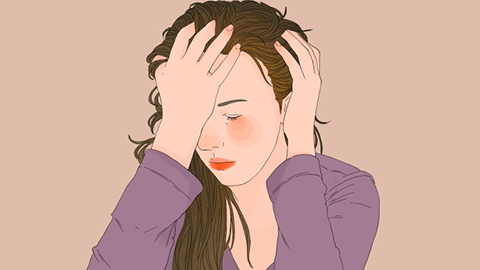
If you only occasionally miss a meal due to being busy or having a poor appetite, and experience no obvious physical discomfort, your mood may only become slightly irritable without significant disturbance. In such cases, promptly consuming easily digestible foods like bread or fruit can quickly restore emotional stability, preventing any lasting effects.
Long-term or frequent meal skipping causes the body to lack energy and nutrients, leading to low blood sugar. Insufficient energy supply to the brain affects neurotransmitter synthesis—for example, reduced serotonin secretion—which directly results in low mood, irritability, and anxiety. Meanwhile, persistent hunger makes it difficult to concentrate, further intensifying negative emotions.
To maintain emotional stability, it's important to develop regular eating habits, keeping consistent meal times and ensuring a balanced intake of carbohydrates and protein at each meal. If poor appetite leads to skipped meals, consider eating smaller portions more frequently and choose light, palatable foods to avoid negatively affecting your physical and mental well-being due to irregular eating patterns.








