


Anxiety disorders are classified into several levels.
Nov 21, 2025
Source: Cainiu Health

Dr. Zhang Baohua
Introduction
Mild anxiety disorder is often characterized by occasional feelings of tension and worry, with minimal emotional fluctuations and only slight impact on daily life, allowing individuals to maintain normal social interactions and work performance. Symptoms are mostly triggered by specific events and are short-lived. In moderate anxiety disorder, symptoms occur more frequently, with persistent feelings of tension, irritability, sleep disturbances, and difficulty concentrating becoming common. These are accompanied by physical symptoms such as palpitations and hand tremors.
Anxiety disorders are generally classified into three levels—mild, moderate, and severe—based on the severity of symptoms. If abnormalities occur, timely medical consultation is recommended. Detailed analysis is as follows:
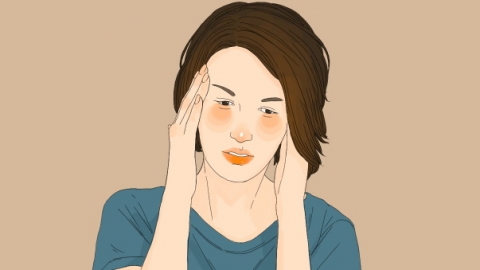
Individuals with mild anxiety disorder often experience occasional tension and worry, with minor emotional fluctuations that have little impact on daily life. They can still maintain normal social interactions and work performance. Symptoms are usually triggered by specific events, last for a short duration, and can be relieved through self-regulation.
Those with moderate anxiety disorder experience more frequent symptoms, including persistent feelings of tension, irritability, sleep disturbances, and difficulty concentrating, along with physical manifestations such as palpitations and hand tremors. These symptoms begin to interfere with work or study efficiency; however, individuals can still manage basic daily activities. Psychological counseling or medication may be required to improve their condition.
In severe anxiety disorder, patients suffer intense fear accompanied by serious physical reactions such as heart palpitations, shortness of breath, and whole-body trembling, which may even lead to panic attacks. Daily functioning is significantly impaired, making normal social interaction or work impossible. Comprehensive psychological therapy and pharmacological intervention are necessary.
If persistent anxiety or physical symptoms occur, it is advisable to record the frequency and intensity of episodes and promptly seek professional medical evaluation to avoid delays in treatment due to self-diagnosis.






