


Will autistic individuals be the same as neurotypical people when they grow up?
Nov 21, 2025
Source: Cainiu Health

Dr. Zhang Baohua
Introduction
In general, whether individuals with autism will develop like neurotypical people as they grow up depends on a comprehensive assessment of the severity of their condition, the effectiveness of interventions and treatments, and individual developmental differences. Throughout their development, it is important to provide consistent, patient guidance, respect individual differences, and avoid forcing changes to their unique behavioral patterns. An inclusive social environment should be created, and participation in suitable group activities should be encouraged.
In general, whether individuals with autism will be the same as neurotypical people when they grow up depends on a comprehensive assessment of the severity of their condition, the effectiveness of early interventions and treatments, and individual developmental differences. A detailed analysis is as follows:
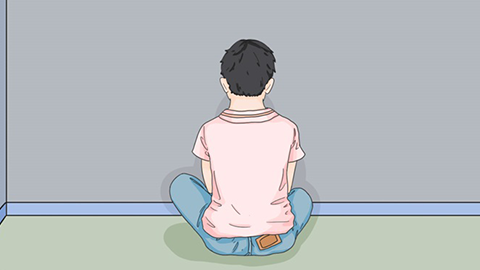
If the condition is mild and the individual receives standardized early intervention—including systematic training in social skills, language, and cognitive development—and has relatively strong adaptive abilities, they are likely to develop basic social and self-care skills as adults and successfully integrate into everyday society. They may still exhibit unique communication styles or specific interests, but can generally attend school, work normally, manage daily living tasks independently, and build stable relationships with others.
If the condition is more severe, or if effective intervention is not provided early, especially when accompanied by cognitive impairments or delayed language development, it is more difficult for these individuals to achieve a functional level comparable to that of the general population. They may experience significant challenges in social communication, have difficulty understanding others' intentions, and show weaker abilities in self-care and social adaptation. As adults, they may require long-term support and companionship from family members and may not be able to live or work completely independently.
Throughout their development, consistent patient guidance is essential. Individual differences should be respected, and unique behavioral patterns should not be forced to change. An inclusive social environment should be created, encouraging participation in suitable group activities to gradually improve communication and adaptive skills. Emphasis should be placed on cultivating independent living skills and providing vocational training based on personal interests and capabilities. Maintaining regular sleep patterns and a balanced diet is important, along with regular health assessments. If emotional fluctuations or behavioral issues arise, intervention strategies should be adjusted promptly.




