


Is hypokalemia serious?
Nov 24, 2025
Source: Cainiu Health

Dr. Wang Lei
Introduction
If hypokalemia is mild, with a serum potassium level slightly below the normal range (normal: 3.5–5.5 mmol/L), and there are no obvious symptoms (such as fatigue or palpitations), it is often due to inadequate dietary intake or short-term losses (e.g., mild diarrhea). In such cases, correction through dietary adjustments (increasing potassium-rich foods like bananas and spinach) or short-term potassium supplementation is usually sufficient for recovery, indicating a non-serious condition.
Generally, the severity of hypokalemia depends on blood potassium levels and associated symptoms. Mild cases are usually not serious, while severe cases or those accompanied by symptoms can be more serious. If in doubt, it is recommended to seek medical advice promptly. Specific analysis is as follows:
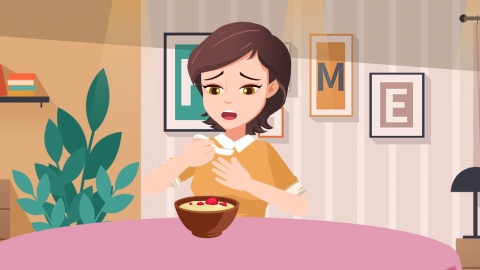
If hypokalemia is mild, with a serum potassium level slightly below the normal range (normal: 3.5–5.5 mmol/L) and no obvious symptoms (such as fatigue or palpitations), it is often caused by insufficient dietary intake or short-term losses (e.g., mild diarrhea). Such cases can typically be corrected through dietary adjustments (increasing potassium-rich foods like bananas and spinach) or short-term potassium supplementation, and are generally not serious.
In severe hypokalemia, when blood potassium levels are significantly reduced or noticeable symptoms occur—such as limb weakness, arrhythmias, or difficulty breathing—the condition may result from severe vomiting, prolonged diarrhea, or long-term use of diuretics. If not promptly corrected, it may lead to serious complications such as respiratory muscle paralysis or heart failure, potentially even life-threatening. These cases are considered serious.
When symptoms suggestive of hypokalemia appear, prompt medical evaluation of blood potassium levels is necessary. Once diagnosed, potassium supplementation should be carried out strictly according to medical instructions; self-administered excessive potassium intake must be avoided. Maintaining a balanced diet in daily life, avoiding prolonged fasting or extreme dieting, and regular monitoring of electrolyte levels in individuals with underlying medical conditions are also important preventive measures.






