


Can a hospital detect sulfur dioxide poisoning?
Nov 24, 2025
Source: Cainiu Health

Dr. Ren Yi
Introduction
In most cases, hospitals can detect sulfur dioxide poisoning, and a diagnosis can be confirmed by combining exposure history with clinical examinations. However, if the exposure duration is short or symptoms are mild, diagnosis may be more challenging. If a patient has a clear history of sulfur dioxide exposure and presents typical symptoms such as coughing, chest tightness, and difficulty breathing, hospitals can perform blood gas analysis, chest imaging (such as chest X-ray or CT scan), and pulmonary function tests to confirm the diagnosis.
In general, hospitals can usually detect sulfur dioxide poisoning, and a diagnosis can be confirmed based on exposure history and clinical examinations. However, if the exposure time is short and symptoms are mild, accurate assessment may become more difficult. If in doubt, it is recommended to seek medical advice promptly. Detailed analysis is as follows:
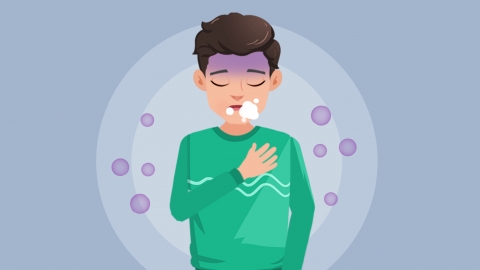
If a patient has a clear history of sulfur dioxide exposure and develops typical symptoms such as coughing, chest tightness, and difficulty breathing, hospitals can identify lung damage or impaired gas exchange through blood gas analysis, chest imaging (such as X-ray or CT scans), and pulmonary function tests. In such cases, poisoning can be accurately detected.
If exposure to sulfur dioxide is very brief, with minimal inhalation and only mild throat discomfort without obvious organ damage, routine tests may not reveal specific abnormalities. In these situations, hospitals may not directly detect poisoning, and judgment must rely on exposure history and dynamic observation of symptoms.
After experiencing suspected sulfur dioxide poisoning symptoms, individuals should immediately leave the contaminated environment, seek medical attention, and inform healthcare providers of their exposure history. They should cooperate with doctors in completing all necessary examinations and avoid concealing symptoms. During treatment, patients should follow medical instructions for medication and undergo regular follow-up evaluations to monitor recovery of lung function.




