


Can you get heatstroke in autumn?
Nov 24, 2025
Source: Cainiu Health

Dr. Wang Lei
Introduction
In general, whether heatstroke can occur in autumn depends on temperature and environmental conditions. Heatstroke is unlikely when temperatures are cool and environments are well-ventilated. However, heatstroke may still happen during "autumn tiger" periods (unseasonably hot weather) or after prolonged exposure to enclosed, high-temperature spaces, so protective measures are necessary. Preventive strategies for heatstroke in autumn should be flexibly adjusted: keep warm during the cooler mornings and evenings, and minimize outdoor activities during the hottest midday hours.
Generally, whether heatstroke can occur in autumn depends on temperature and environmental conditions. Heatstroke is unlikely when temperatures are cool and the environment is well-ventilated. However, if affected by an "autumn heatwave" (a period of unseasonably hot weather) or spending prolonged time in enclosed, high-temperature environments, heatstroke may still happen, so protective measures are necessary.
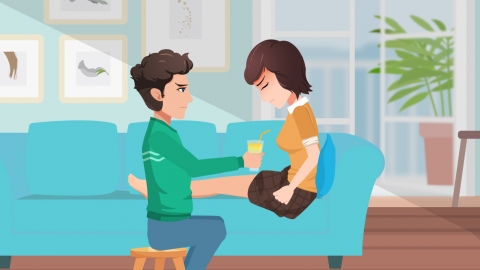
After the beginning of autumn, temperatures typically drop in most regions, with cool mornings and evenings and reduced air humidity. The body's temperature regulation function tends to stabilize during this period. Engaging in outdoor activities in shaded areas or staying in comfortable indoor environments allows the body’s heat production and dissipation to remain balanced. Only mild symptoms such as slight dryness of the mouth or fatigue may appear, which do not constitute heatstroke and can be relieved with brief rest.
When an "autumn heatwave" strikes and temperatures rise above 35°C around midday, or when working in enclosed, high-temperature settings such as kitchens or construction sites—especially while wearing excessive clothing and failing to replenish fluids—heatstroke becomes possible. Symptoms often include dizziness, thirst, and flushed skin. Immediate action should be taken by moving to a cool place and lowering body temperature using wet towels to wipe the skin.
To prevent heatstroke in autumn, adapt preventive strategies flexibly: keep warm during cool mornings and evenings, and reduce outdoor activities during peak heat hours. When going outside, wear breathable clothing and carry lukewarm water for timely hydration. If working in high-temperature environments, take regular breaks in ventilated areas and keep the body dry, minimizing heatstroke risks through careful daily habits.



