


What are the symptoms of tetanus?
Nov 24, 2025
Source: Cainiu Health

Dr. Liu Wenmin
Introduction
Tetanus is an acute infectious disease caused by infection with Clostridium tetani, usually triggered by wound contamination. Its main symptoms are muscle rigidity and spasms, including trismus (lockjaw), neck and back muscle spasms, difficulty breathing, generalized seizures, and abnormal local wound signs. Preventing tetanus requires proper wound care, including promptly rinsing the wound with clean water or saline after injury.
Tetanus is an acute infectious disease caused by infection with Clostridium tetani, usually triggered by contaminated wounds. The main symptom is muscle rigidity and spasms, primarily including stiffness of the jaw muscles, neck and back muscle spasms, difficulty breathing, generalized convulsive seizures, and abnormalities at the local wound site. A detailed analysis is as follows:
1. Stiffness of the jaw muscles: As an early typical symptom, this manifests as difficulty opening the mouth, locked jaw, sustained tension in the chewing muscles, difficulty chewing during eating, and slurred speech. In the initial stage, symptoms may only include soreness while chewing; as the condition progresses, muscle rigidity becomes increasingly evident, and in severe cases, the patient may be completely unable to open the mouth.
2. Neck and back muscle spasms: The neck muscles first become stiff, requiring the trunk to move along with head rotation. Subsequently, the back muscles are affected, undergoing tonic contractions that cause the body to assume an opisthotonic posture—characterized by backward arching of the head, rigidly straightened back—accompanied by severe muscle pain that worsens with movement.
3. Difficulty breathing: Spasms affecting the respiratory muscles lead to rapid and labored breathing, with marked chest tightness. In severe cases, sustained contraction of the respiratory muscles results in disrupted breathing patterns and inadequate ventilation, manifesting as cyanosis (bluish discoloration) of the lips, and even apnea, which is a critical sign of severe illness.
4. Generalized convulsive seizures: Often triggered by stimuli such as sound, light, or touch, these involve paroxysmal, intense muscle contractions throughout the body. During episodes, patients remain conscious but appear pale or cyanotic, often sweating profusely. Seizures last from several seconds to minutes, and muscles remain rigid between attacks.
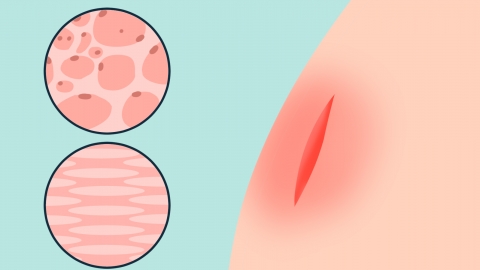
5. Local wound abnormalities: Infected wounds commonly show redness, swelling, and pain, with slow healing. Some patients may have a small amount of purulent discharge from the wound, increased skin temperature around the wound area, and palpable local muscle tension—features distinctly different from ordinary wound infections.
To prevent tetanus, proper wound management is essential. After injury, promptly rinse the wound with clean water or saline solution to remove contaminants. Especially for deeply penetrating wounds or animal bites—types of heavily contaminated injuries—prompt medical attention is necessary for thorough wound debridement and administration of tetanus vaccine.




