


What are the precautions for taking lithium carbonate sustained-release tablets?
Nov 24, 2025
Source: Cainiu Health

Dr. Zhang Baohua
Introduction
Precautions for the use of lithium carbonate sustained-release tablets mainly include strict dose control and monitoring, contraindications or cautious use in special populations, proper management of diet and fluid intake, avoidance of adverse drug interactions, and adherence to standardized medication principles. During treatment, patients should maintain a regular lifestyle, avoid significant emotional fluctuations, and actively communicate with their doctor regarding any changes in condition, thereby supporting optimization of the treatment plan and stable recovery.
Lithium carbonate sustained-release tablets require attention to several key aspects, including strict dose control and monitoring, contraindications or cautious use in special populations, management of diet and fluid intake, avoidance of adverse drug interactions, and adherence to standardized medication principles. The detailed analysis is as follows:
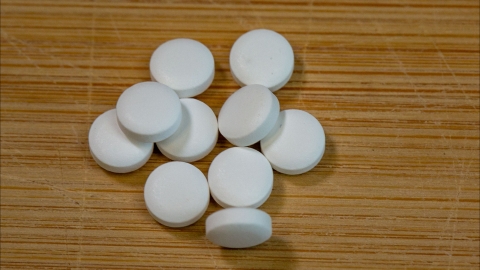
1. Strict Dose Control and Monitoring: This medication has a narrow therapeutic window, so the dosage must be strictly prescribed by a physician and should not be adjusted independently. Regular monitoring of serum lithium levels is required during treatment, especially during the initial phase of dose adjustment, to prevent lithium toxicity due to elevated blood levels. Liver and kidney function as well as electrolyte balance should also be monitored regularly.
2. Contraindications and Cautious Use in Special Populations: The drug is contraindicated in pregnant and breastfeeding women, as it may affect fetal or infant development. It is also contraindicated in patients with severe hepatic or renal impairment, epilepsy, or severe heart disease. Children, elderly individuals, and those with thyroid dysfunction should only use the medication cautiously under physician evaluation, with possible dosage adjustments.
3. Diet and Fluid Management: Maintain normal dietary salt intake during treatment, as low-sodium diets may increase the risk of lithium accumulation. Ensure adequate daily fluid intake (1500–2000 mL) and avoid dehydration caused by vomiting, diarrhea, or excessive sweating, which can lead to increased serum lithium concentrations.
4. Avoidance of Adverse Drug Interactions: Inform your doctor if you are currently taking diuretics, nonsteroidal anti-inflammatory drugs (NSAIDs), antidepressants, or other medications. These drugs may impair lithium excretion and increase the risk of toxicity; concomitant use must be evaluated and approved by a physician.
5. Adherence to Standardized Medication Principles: Do not discontinue the medication abruptly, as this may trigger symptom relapse. If a dose is missed, do not take a double dose; if it is close to the next scheduled dose, simply resume the regular dosing schedule without compensation. Avoid alcohol consumption during treatment, as it may exacerbate central nervous system depression.
Maintain a regular lifestyle and avoid significant emotional fluctuations during treatment. Proactively communicate any changes in condition to your doctor to optimize therapy and support stable recovery.



