


Can eating undercooked green beans cause poisoning?
Nov 24, 2025
Source: Cainiu Health

Dr. Wang Lei
Introduction
In general, whether undercooked green beans can cause poisoning depends on the specific type of bean and the amount consumed. If discomfort occurs after eating, it is advisable to seek medical attention promptly. When cooking green beans, ensure they are thoroughly heated—consider blanching them first before stir-frying, until their color darkens and texture becomes tender. If any adverse symptoms occur after consumption, stop eating immediately.
In general, whether undercooked green beans can cause poisoning depends on the specific type of bean and the amount consumed. If discomfort occurs after consumption, it is recommended to seek medical attention promptly. The detailed analysis is as follows:
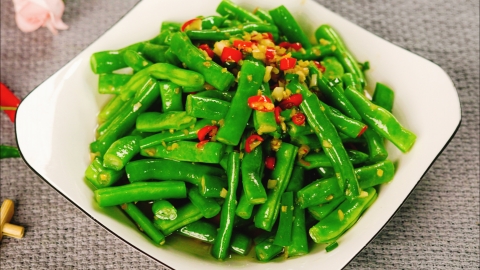
For certain types of beans such as kidney beans or string beans, if they are only lightly stir-fried without being fully cooked but consumed in very small quantities, and if the individual has strong metabolic capacity, obvious adverse reactions may not occur. This situation often happens when the beans are finely chopped, briefly exposed to high heat (partially destroying toxins), and intake is limited to just a few bites—allowing the body's immune system to naturally metabolize trace residual toxins.
However, when consuming varieties with higher levels of natural toxins—such as kidney beans or fava beans—eating them undercooked leaves significant amounts of toxins intact. If more than half a bowl is consumed, the risk of poisoning increases substantially. These undercooked beans contain saponin and phytohaemagglutinin, which can irritate the gastrointestinal mucosa, leading to symptoms such as nausea, vomiting, abdominal pain, and diarrhea. Some individuals may also experience dizziness and fatigue. Elderly people, children, and those with weaker constitutions tend to have more pronounced reactions.
To ensure safety, green beans should be thoroughly cooked. It is advisable to blanch them in boiling water first before stir-frying, continuing until the color darkens and the texture softens. If discomfort occurs after eating, stop consuming immediately and drink warm water to promote toxin metabolism. Mild cases usually resolve within a few hours, but if persistent vomiting, dehydration, or other severe symptoms develop, prompt medical treatment should be sought to prevent complications.






