


What are the diagnostic steps for coma?

Diagnosing coma generally involves assessing the level of consciousness, evaluating vital signs, taking a medical history, performing a physical examination, and conducting auxiliary tests. The details are as follows:
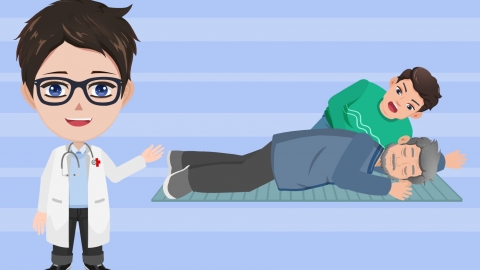
1. Assessing the level of consciousness: Observe whether the patient responds to verbal calls or gentle tapping, and check reactions to painful stimuli (such as pressing on the orbital rim) to differentiate between drowsiness, stupor, and coma. Determining the severity of impaired consciousness is the primary and fundamental step in diagnosing coma.
2. Evaluating vital signs: Monitor four key indicators—body temperature, pulse, respiration, and blood pressure—for any abnormalities such as high fever, hypotension, or irregular breathing patterns. These abnormalities may suggest potential causes of coma and guide further diagnostic efforts.
3. Taking a medical history: Gather information from family members or witnesses about the time and speed of onset of coma, accompanying symptoms, and any pre-existing conditions, medication use, or history of trauma. A complete medical history helps narrow down the possible causes.
4. Performing a physical examination: Focus on neurological assessment, including pupil size and light reflex, limb movement, and pathological reflexes. Also examine the skin, mucous membranes, and skull for physical signs that may indicate the cause of coma.
5. Conducting auxiliary tests: Select appropriate tests based on initial findings, such as complete blood count, blood glucose, electrolyte levels, and neuroimaging studies like cranial CT or MRI. Objective results help confirm diagnostic hypotheses and identify the specific cause of coma.
When someone is found to have symptoms of coma, emergency services should be called immediately. Avoid moving the patient unnecessarily while waiting for help. Keep the airway open; if the patient vomits, turn their head to one side to prevent aspiration of vomitus into the airway.


