


What are the manifestations of pituitary crisis in Sheehan's syndrome?
Nov 24, 2025
Source: Cainiu Health

Dr. Wang Lei
Introduction
When Sheehan's syndrome leads to pituitary crisis, common manifestations include hypoglycemic coma, high fever or hypothermia, circulatory failure, neuropsychiatric symptoms, and electrolyte disturbances. Pituitary crisis is a medical emergency requiring immediate medical intervention to prevent severe complications or death. Patients and their families should be aware of these symptoms and seek prompt medical assistance if they occur.
When Sheehan's syndrome leads to pituitary crisis, common manifestations include hypoglycemic coma, fever or hypothermia, circulatory failure, neuropsychiatric symptoms, and electrolyte disturbances. The details are as follows:
1. Hypoglycemic Coma
Reduced pituitary function results in insufficient secretion of growth hormone and adrenocorticotropic hormone (ACTH), leading to decreased hepatic glycogen stores and impaired gluconeogenesis. Patients may experience palpitations, sweating, and altered consciousness; severe cases can progress to coma. Symptoms typically improve rapidly after glucose administration.
2. Fever or Hypothermia
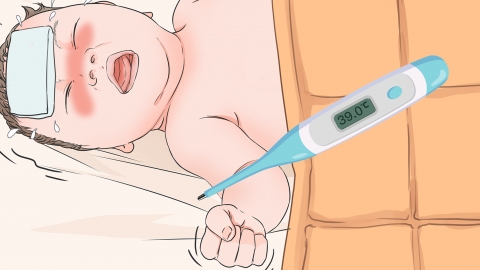
ACTH deficiency reduces the body’s stress response, making patients prone to infections that cause high fever. Concurrent hypothyroidism lowers metabolic rate and heat production, resulting in hypothermia (body temperature below 35°C), often accompanied by cold intolerance and dry skin.
3. Circulatory Failure
Adrenal insufficiency leads to reduced aldosterone secretion, causing excessive loss of sodium and water, which results in hypovolemia. This manifests as low blood pressure, tachycardia, and cold, clammy extremities. Severe cases may lead to shock, requiring prompt fluid resuscitation to correct circulatory instability.
4. Neuropsychiatric Symptoms
Inadequate energy supply and metabolic disturbances in brain tissue can cause headache, agitation, delirium, and seizures. Some patients may present with drowsiness and slowed reactions, potentially progressing to loss of consciousness. These symptoms must be differentiated from other central nervous system disorders.
5. Electrolyte Imbalance
Abnormal secretion of aldosterone and antidiuretic hormone commonly causes hyponatremia, hyperkalemia, or water intoxication. Patients may experience fatigue, nausea, vomiting, and muscle cramps. Electrolyte imbalances can worsen the clinical condition and require timely monitoring and correction.
Pituitary crisis is a medical emergency requiring immediate treatment to prevent severe complications or death. Patients and their families should be aware of these symptoms and seek urgent medical care if they occur. During treatment, physicians will adjust the therapeutic plan according to the individual patient’s condition to maintain stable hormone levels.



